15 best mobile games you can play without internet in 2026
Fifteen offline mobile games that ask nothing of your connection — farming sims, roguelites, tower defense and one full console racer, each with its genre, price and trade-offs.
 Uzair Abbas· Game Guides Writer · August 17, 2026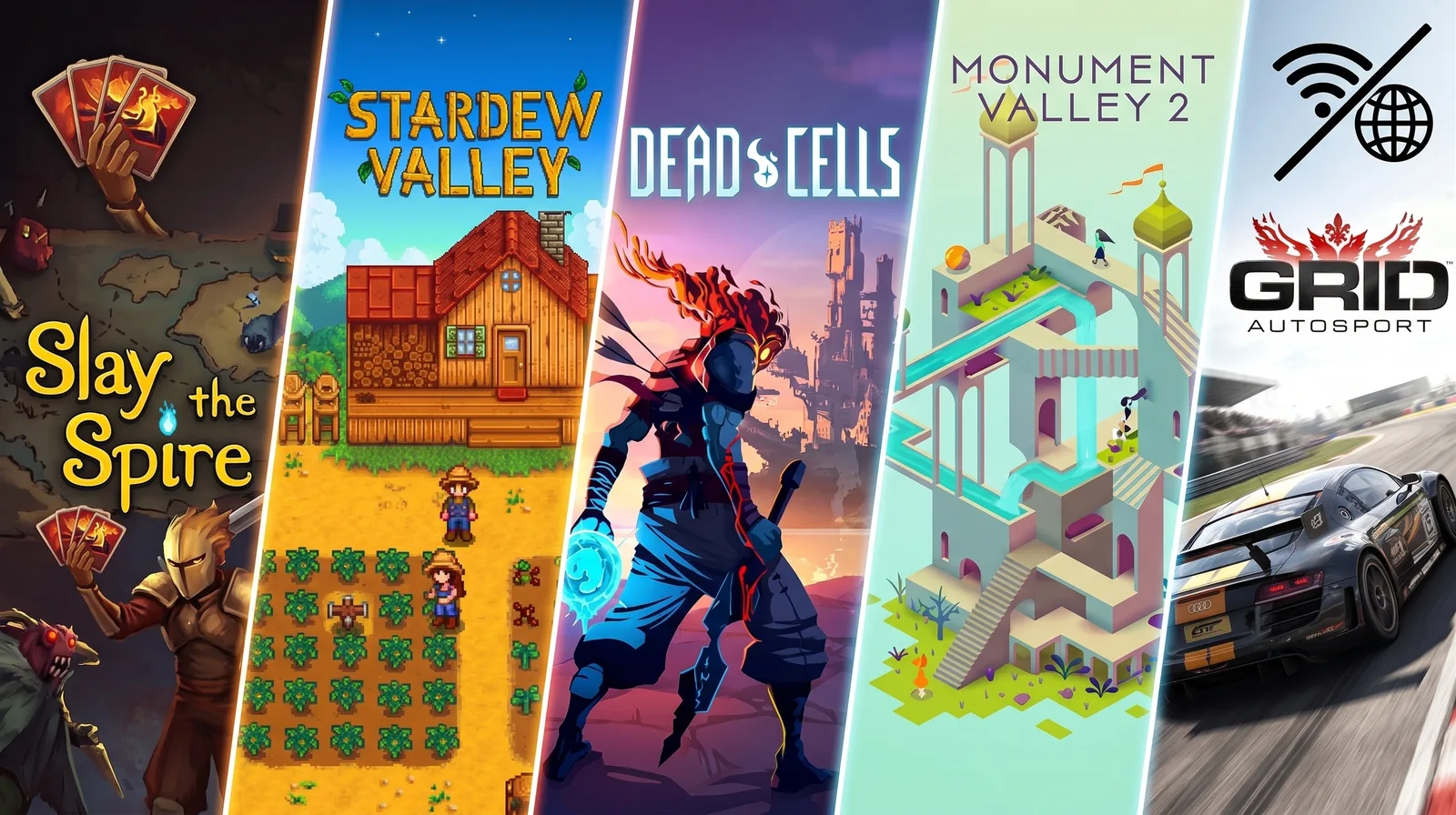
The buzz these days is all around multiplayer. The mobile industry keeps drifting towards live-service models, always-on lobbies and daily logins. But plenty of us — old-school players, or anyone who just wants something to fill twenty minutes on a train — don’t need any of that. We want games without internet, built around PvE and our own pace.
This is a list of the best offline mobile games you can play without internet in 2026. It’s based on our own time with each one, and every entry breaks down the gameplay loop along with the pros and cons, so you can work out which one is worth your storage before you install anything.
What makes a great offline mobile game?
The first requirement is obvious but easy to get wrong: the game has to be fully offline. Every mode, every feature, every unlock should be reachable with the connection off — not just a stripped-back practice mode while the real game waits behind a login.
After that it comes down to three things. It shouldn’t be demanding on your hardware, since offline play usually means you’re away from a charger. It should save progress locally, so closing the app never costs you a run. And ideally it should hold enough content that you can pour hundreds of hours into it without running dry.
The 15 best offline mobile games
| Game | Genre | Pricing |
|---|---|---|
| Stardew Valley | RPG / farming simulation | Premium |
| Terraria | Action-adventure / sandbox | Premium |
| Dead Cells | Action / roguelite platformer | Premium |
| Monument Valley 2 | Puzzle / atmospheric | Premium |
| Alto’s Odyssey | Endless runner | Free (Android) / premium (iOS) |
| Vampire Survivors | Action / roguelite | Free base game + paid DLC |
| Plague Inc. | Strategy / simulation | Free (Android) / premium (iOS) |
| Mini Metro | Strategy / puzzle | Premium |
| Kingdom Rush 5 | Tower defense / strategy | Premium |
| GRID Autosport | Racing / simulation | Premium |
| Minecraft | Sandbox / survival | Premium |
| Slay the Spire | Deckbuilding / roguelite | Premium |
| Bloons TD 6 | Tower defense | Premium |
| LIMBO | Puzzle-platformer | Premium |
| Soul Knight | Action / roguelite shooter | Free with in-app purchases |
1. Stardew Valley (best for long-term farming)
| Feature | Specification |
|---|---|
| Genre | RPG / farming simulation |
| Pricing | Premium (paid) |
| Availability | Android / iOS |
Brief overview
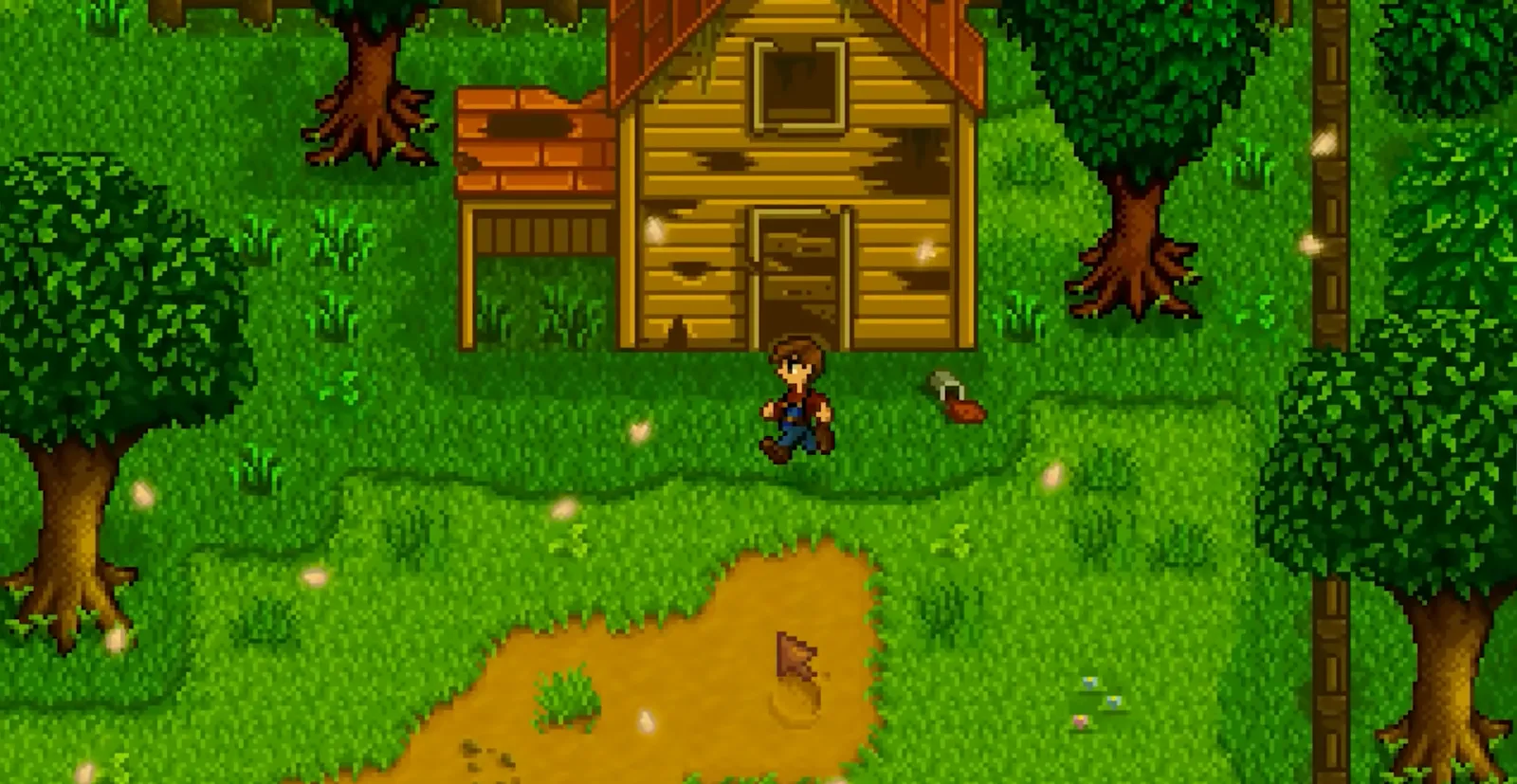
Stardew Valley is still one of the best farming simulators and action RPGs going, and the mobile version is the whole game. You inherit an overgrown farm plot and have to cultivate the land and raise livestock to make a name for yourself. There’s far more to do than farming — mining, fishing, decorating your house — and a community of over 30 residents to get to know.
Why it’s worth playing
The sheer scale of it is the point. You can put hundreds of hours in without running out of things to try, whether that’s exploring the mines for resources or leaning into the combat. Saves are stored locally and the port has an auto-save system built for phones, which makes this the first of the no-WiFi games on our list that genuinely asks nothing of your connection.
If you played Stardew years ago and drifted off, it’s worth coming back right now. The mobile version includes the 1.6 update, which added a new farm layout called the Meadowlands Farm, new festivals, and the mastery system that hands you powerful upgrades once a skill hits maximum level.
Pros & cons
Pros
- Includes the 1.6 content update
- Auto-save system built for mobile
- No microtransactions, and controllers are supported
Cons
- No multiplayer on mobile at all
- Touch controls feel cramped in combat on small screens
2. Terraria (best for deep progression)
| Feature | Specification |
|---|---|
| Genre | Action-adventure / sandbox |
| Pricing | Premium (paid) |
| Availability | Android / iOS |
Brief overview
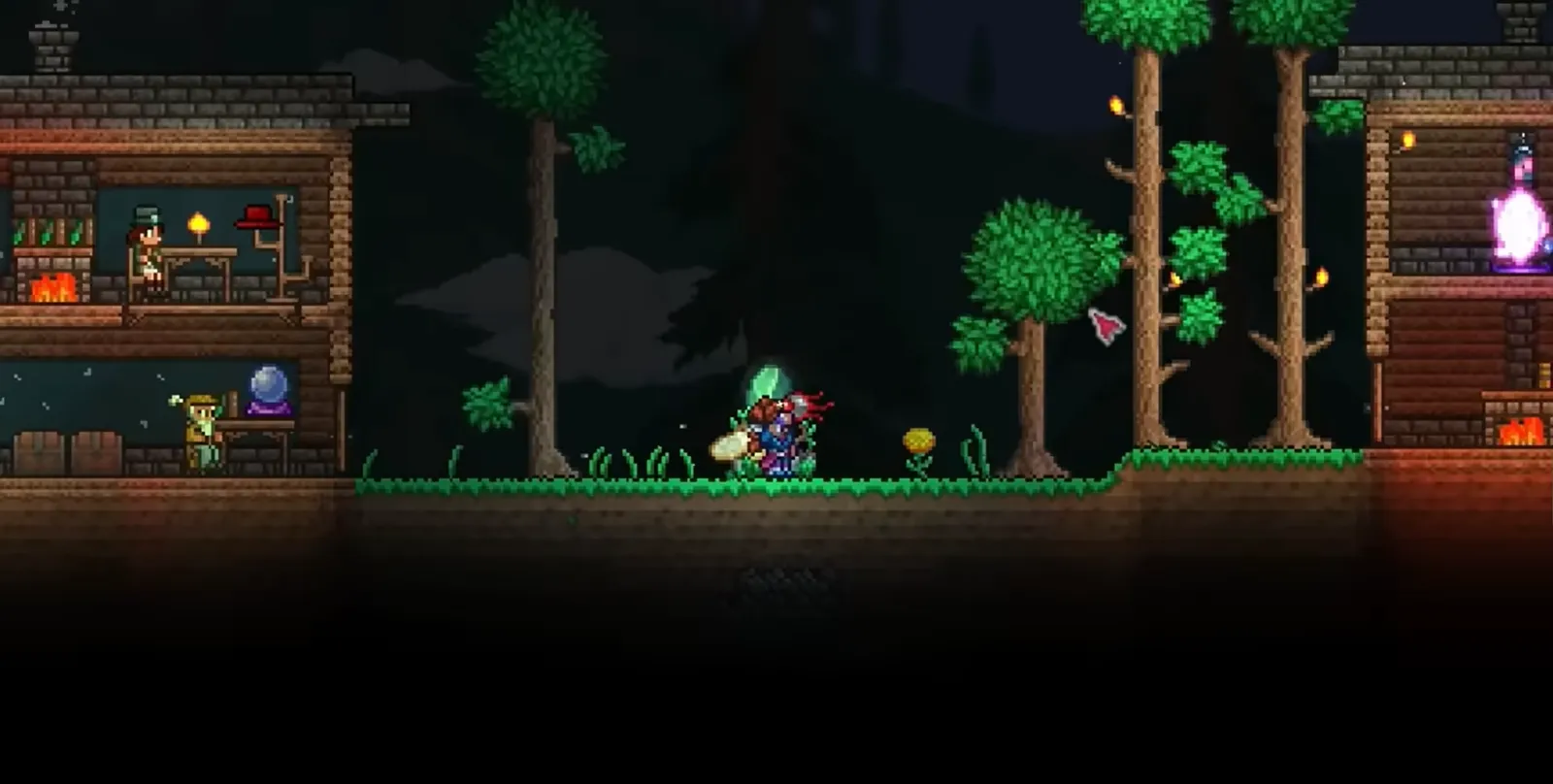
Terraria gets called a 2D Minecraft, but that undersells it. It’s a combat-focused sandbox RPG where you spawn into a procedurally generated world, mine for resources, and craft increasingly intricate weapons and armor. Build and upgrade a base, then take on the biome bosses — each one harder than the last, each one sending you back to prepare properly.
Why it’s worth playing
The progression is what keeps you there. You start as a guy chopping wood with a primitive axe and end up fighting cosmic beings, and every step of that climb is earned. The mobile port is a one-to-one version of the PC game with customizable touch controls, and all of the content is reachable offline — only multiplayer servers need a connection.
The latest update is 1.4.5, which launched across PC, console and mobile on 27 January 2026. It brought a Dead Cells crossover in the form of new outfits and weapons, a pile of quality-of-life changes, and the Secret Seed expansion that lets you mix and match parts of worlds from different seeds.
Pros & cons
Pros
- Hundreds of hours of exploration and boss fights
- Procedurally generated worlds, effectively endless
- Full controller support
Cons
- Deep inventory and crafting clutter the UI on small screens
- Steep learning curve for new players
3. Dead Cells (best for hardcore action)
| Feature | Specification |
|---|---|
| Genre | Action / roguelite platformer |
| Pricing | Premium (paid) |
| Availability | Android / iOS |
Brief overview
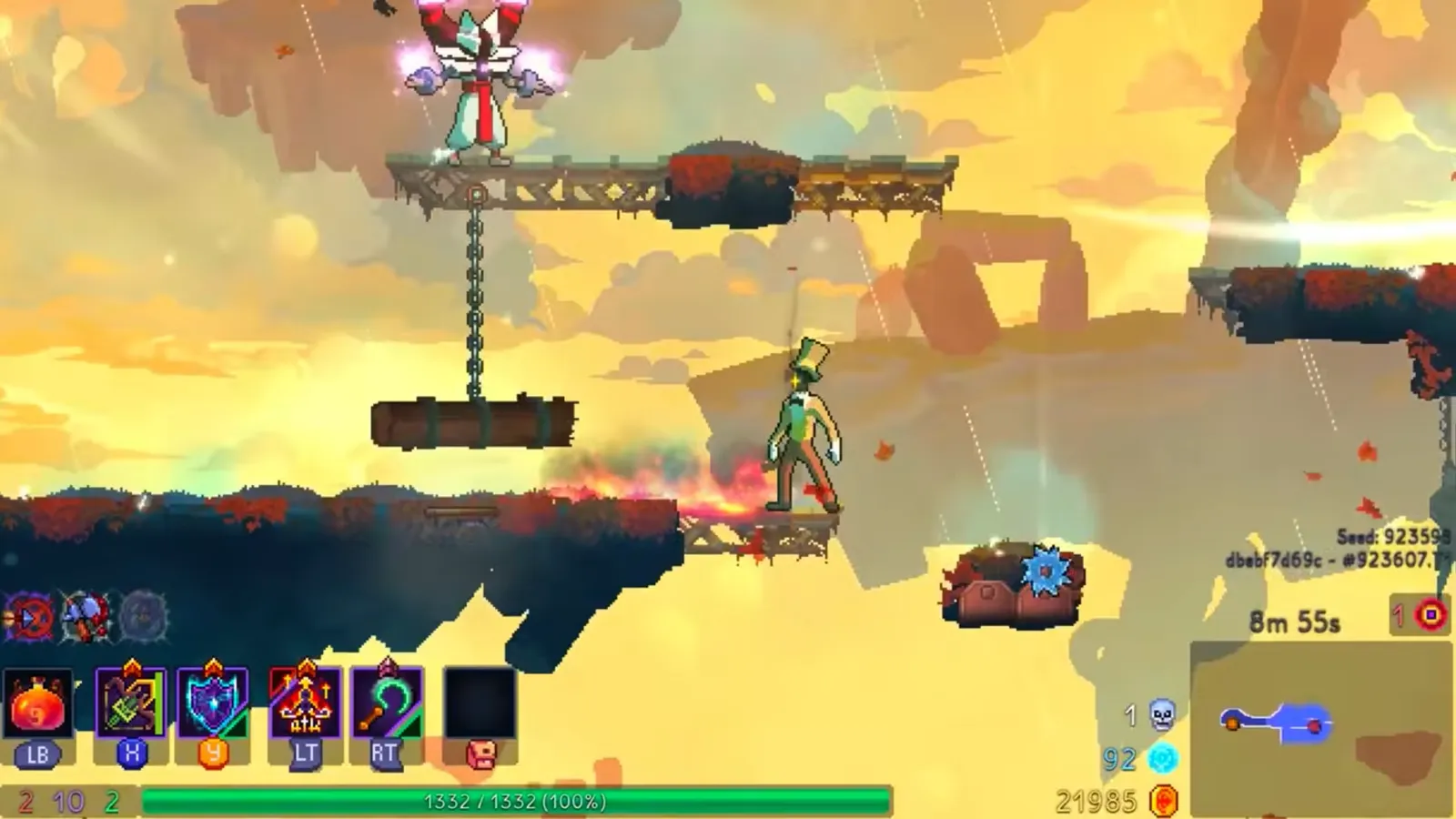
Dead Cells blends the exploration of a metroidvania with the punishment of a roguelite. You play a reanimated homunculus wandering a procedurally generated castle. Dying sends you back to the start and strips most of your progress — you keep only permanent upgrades and weapon blueprints, which is what makes the next run a little more survivable.
Why it’s worth playing
The combat is the star. It’s fluid in a way very few mobile games manage, and the build variety runs deep: freezing blasts, turrets, melee weapons, and enough synergies between them that runs rarely repeat themselves. It’s brutally difficult to master, but if you want to put hundreds of hours into something with genuinely great movement, this is one of the best offline mobile games you can buy.
Pros & cons
Pros
- Exceptionally fluid combat and movement
- Huge weapon variety and synergistic builds
- Highly optimized performance
Cons
- Precise inputs are hard to hit on a touchscreen
- Punishing enough to put casual players off
4. Monument Valley 2 (best for a short, beautiful sit-down)
| Feature | Specification |
|---|---|
| Genre | Puzzle / atmospheric |
| Pricing | Premium |
| Availability | Android / iOS |
Brief overview
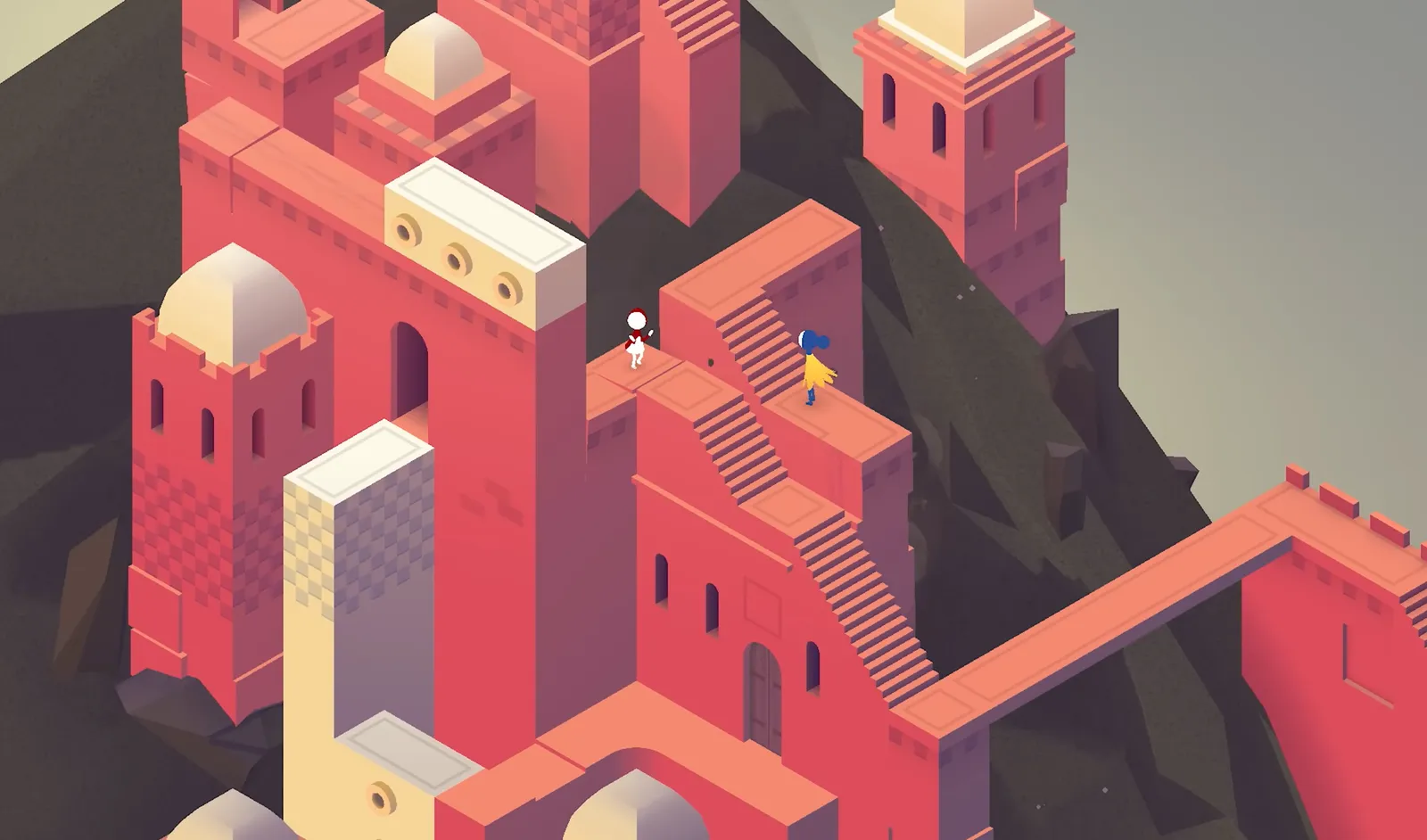
Monument Valley 2 is an atmospheric puzzle game whose environments borrow heavily from M.C. Escher. You guide a mother and her child through architectural labyrinths, rotating structures and bending spatial perspective to open up pathways that shouldn’t exist.
Why it’s worth playing
The visuals are the appeal here, and they’re worth the price on their own. Combined with the sound design and the gentle puzzle logic, it’s a soothing experience that very little else replicates. It’s also a standalone story — you don’t need to have played the first game to follow it.
Pros & cons
Pros
- Stunning visual and audio design
- Relaxing, unhurried puzzle mechanics
- Very easy on the battery
Cons
- Very short playtime
- Almost no replay value once solved
5. Alto’s Odyssey (best for switching your brain off)

| Feature | Specification |
|---|---|
| Genre | Endless runner |
| Pricing | Free (Android) / premium (iOS) |
| Availability | Android / iOS |
Brief overview
Alto’s Odyssey puts you on a snowboard and sends you across endless dunes of snow and sand. Controls are one-finger, and you grind, bounce and backflip your way along while dodging obstacles and ticking off challenges.
Why it’s worth playing
This is the pinnacle of zen gaming. The landscapes, the day-night cycle and the soundtrack together make it one of the best games to just chill out with, and Zen Mode strips out the game-over state entirely if you want pure decompression. It’s accessible enough for a two-minute session and deep enough to chain complex tricks if you want to push it.
Pros & cons
Pros
- Gorgeous minimalist art with dynamic weather
- Zen Mode removes game-over states
- Extremely battery efficient
Cons
- The core loop gets repetitive over time
- Unlocking later goals feels slow
6. Vampire Survivors (best for one-handed play)
| Feature | Specification |
|---|---|
| Genre | Action / roguelite (bullet hell) |
| Pricing | Free base game / paid DLC expansions |
| Availability | Android / iOS |
Brief overview
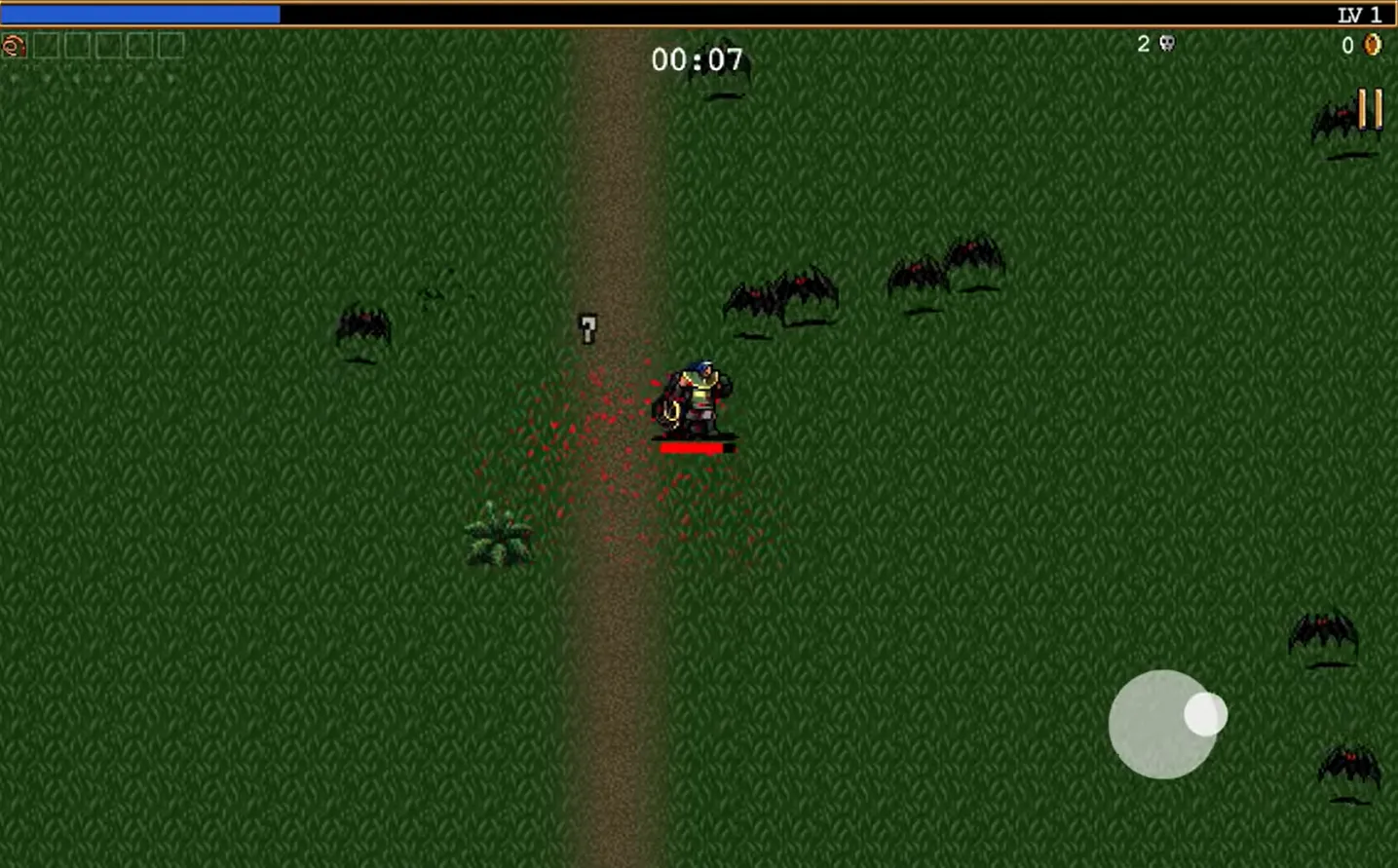
Vampire Survivors is a survival roguelite where your character attacks automatically and hundreds of enemies swarm you while you try to stay alive. As the waves roll in you collect experience and gems, upgrading fast enough to keep pace with a screen that gets busier by the minute.
Why it’s worth playing
Few games escalate this satisfyingly. You go from a weak hero to a mass-murdering vampire hunter inside a few minutes, and the whole thing plays with one thumb. The base game is free, so trying it costs nothing — and if you’re left wanting more there’s DLC to buy.
Pros & cons
Pros
- Incredibly addictive progression loop
- Playable entirely with one hand
- A lot of content available for free
Cons
- Huge sprite counts can lag older hardware
- Heavy battery draw during intense runs
7. Plague Inc. (best for slow, analytical strategy)
| Feature | Specification |
|---|---|
| Genre | Strategy / simulation |
| Pricing | Free base game (Android) / premium (iOS) |
| Availability | Android / iOS |
Brief overview
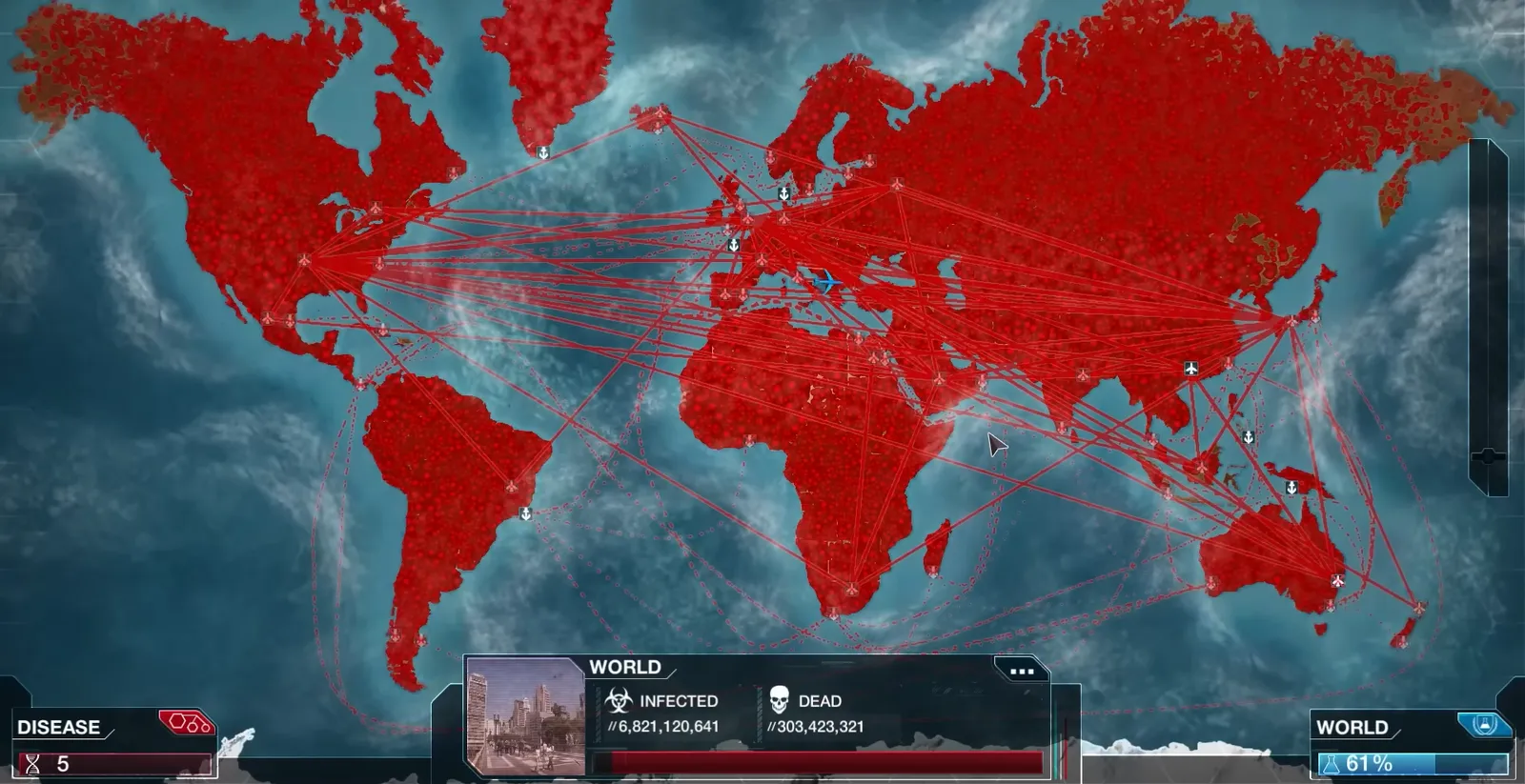
Plague Inc. casts you as the bad guy. You’re handed a newborn disease and have to evolve it into something capable of wiping out every human on the planet, tuning its transmission and lethality as it spreads. Once doctors detect it they start working on a cure, and hindering that effort becomes half the game.
Why it’s worth playing
The goal is simple and the depth underneath it is not. You pick a pathogen type — virus, bacteria, something stranger — then evolve transmissibility first to spread quietly across the globe, and only later crank up the fatality. Kill too early or too late and the disease burns out and goes extinct. It’s the ideal game for anyone who wants to sit and think rather than react.
The World Update 2026 is out on Android and iOS, and it upgraded the core simulation model so outbreaks flow more realistically. It also raised the world population to roughly 8.2 billion to match reality, and added a legacy mode that rolls the statistics back to 2012, when the game first launched.
Pros & cons
Pros
- Deep strategy built on real-world variables
- High replayability across pathogen types
Cons
- Some advanced disease types cost extra on Android
- Deliberately slow — not one for quick sessions
8. Mini Metro (best for minimalist puzzling)
| Feature | Specification |
|---|---|
| Genre | Strategy / puzzle |
| Pricing | Premium (paid), also on Apple Arcade and Google Play Pass |
| Availability | Android / iOS |
Brief overview
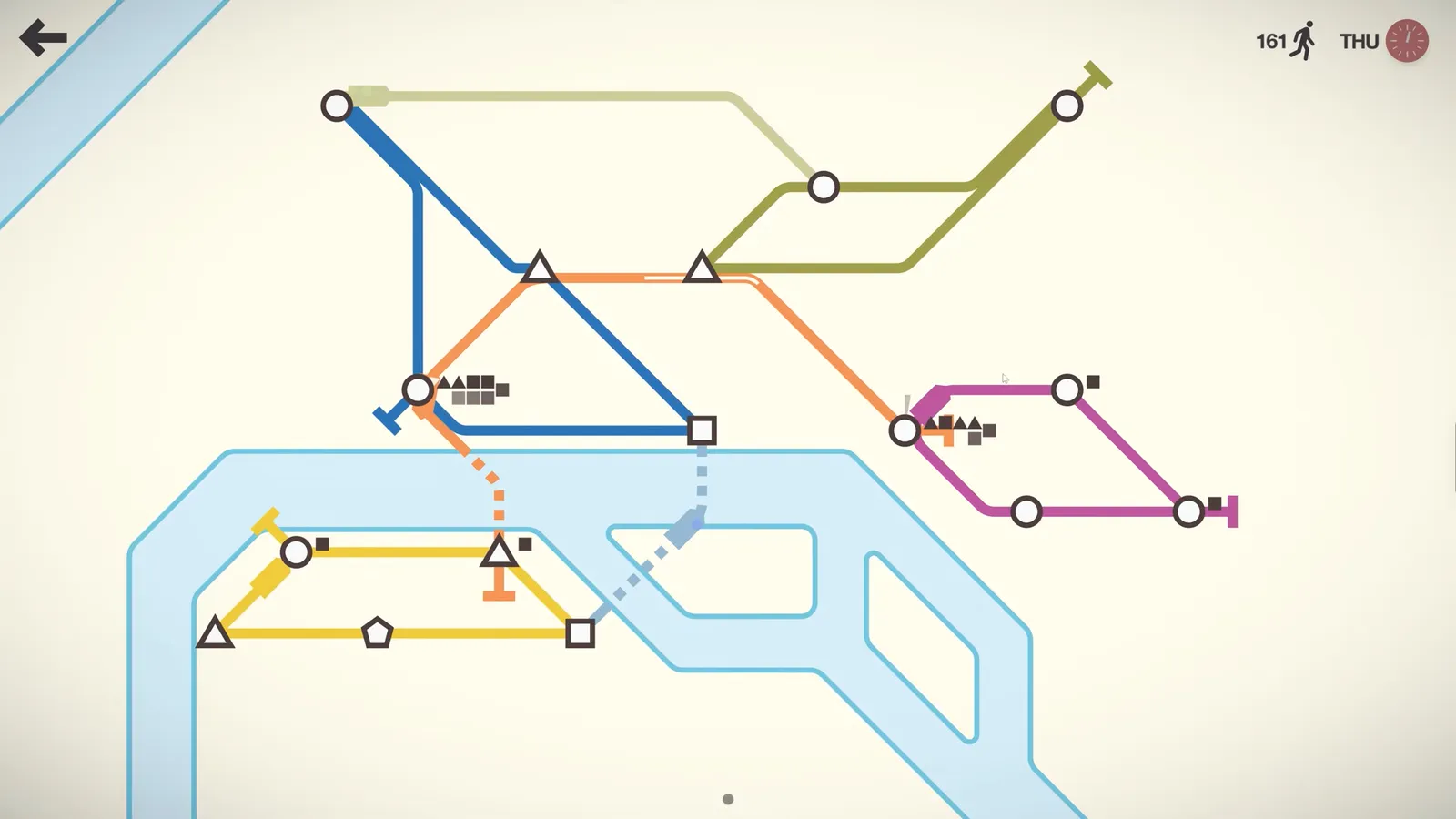
Mini Metro hands you a growing city and asks you to keep it moving. You draw transit lines between stations and allocate locomotives and carriages, then keep reworking the network as new stations appear and crowding starts to bite.
Why it’s worth playing
The visuals are stripped to the bone — this is a classic transit map, brought to life — while the audio responds dynamically to what your network is doing. The most recent content is the 10th-anniversary “Miniversary” update from 22 June 2026, which brought optimizations and new city maps inspired by Tokyo, Warsaw and Lisbon. If you like a clean look or enjoy untangling an urban system, it’s worth a look.
Pros & cons
Pros
- Elegant, minimalist transit-map design
- Highly intuitive touch controls
- Light on hardware, so battery lasts
Cons
- Difficulty ramps hard as cities expand
- Daily Challenge mode needs a connection
9. Kingdom Rush 5 (best for tower defense with heroes)
| Feature | Specification |
|---|---|
| Genre | Tower defense / strategy |
| Pricing | Premium |
| Availability | Android / iOS |
Brief overview
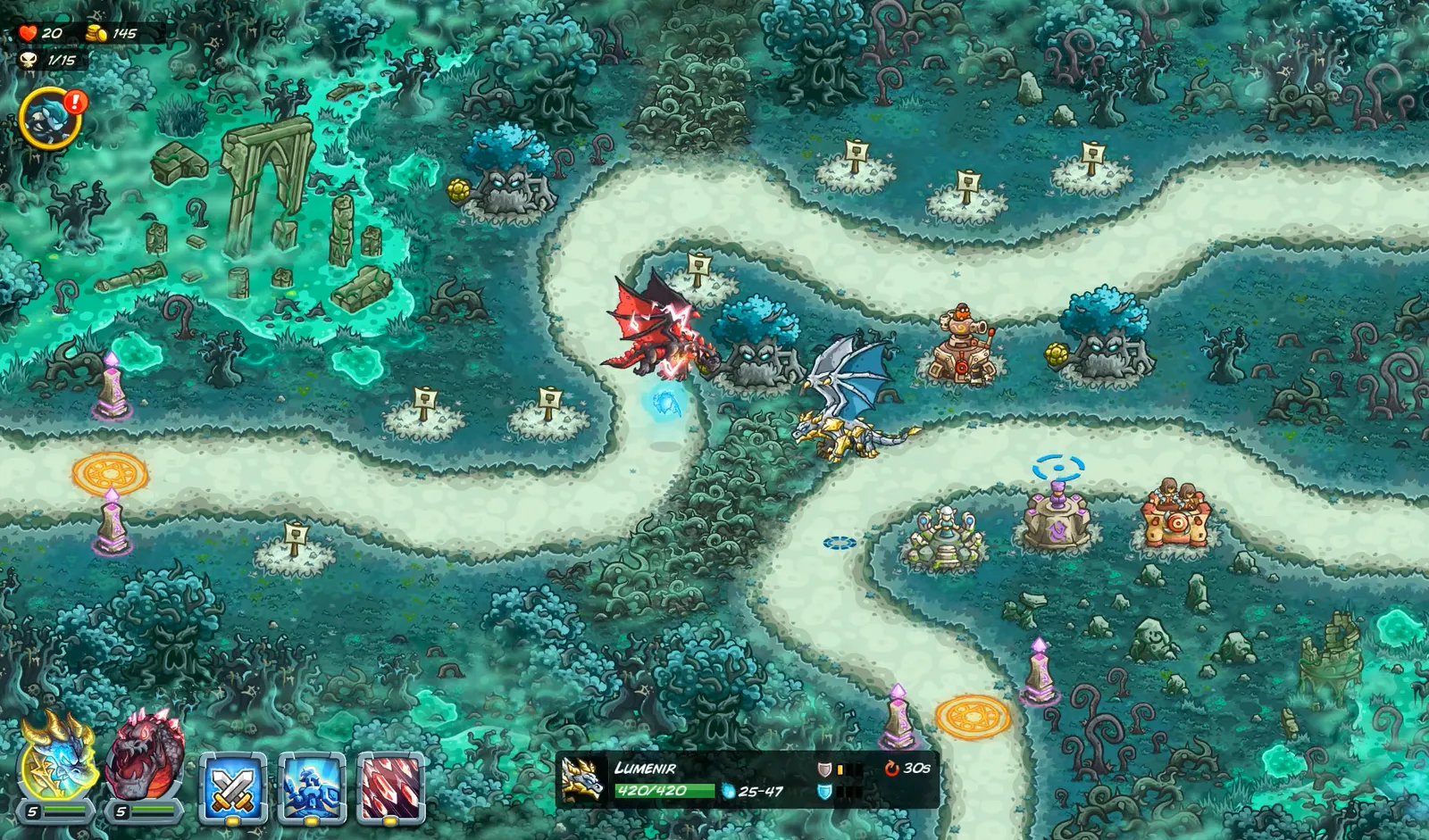
Kingdom Rush 5: Alliance is the latest entry in the tower defense series. You command the Alliance forces of Linirea, now teamed up with the Dark Army against a bigger threat, building towers and dropping reinforcements to stop enemies from breaching your line.
Why it’s worth playing
The fifth game improves on the classic formula by letting you command two heroes at once, which changes how you cover a map. There’s a large roster of heroes and a deep tower pool to adapt with, and the entirely hand-drawn art style is exactly what fans of the series stayed for.
Pros & cons
Pros
- Innovative dual-hero command system
- Big variety of enemies and tactical towers
- Stunning hand-drawn art
Cons
- Premium hero and tower unlocks get expensive
- Screen gets cluttered during large waves on small phones
10. GRID Autosport (best for console-grade racing)

| Feature | Specification |
|---|---|
| Genre | Racing / simulation |
| Pricing | Premium (paid) |
| Availability | Android / iOS |
Brief overview
GRID Autosport on mobile is a 1:1 port of the console racer, with a roster of over 100 cars and difficulty settings you can dial in to whatever your playstyle needs.
Why it’s worth playing
This is the game racing enthusiasts spent years waiting for on phones. The physics, the graphics and the damage modelling are console quality, and there are no microtransactions and no online requirement anywhere in it. You buy it once and you race.
Pros & cons
Pros
- Console-quality physics, visuals and damage model
- No microtransactions or online requirements
- Extensive controller support
Cons
- Needs a lot of local storage
- Hard on battery life and device thermals
11. Minecraft (best for open-ended offline worlds)
| Feature | Specification |
|---|---|
| Genre | Sandbox / survival |
| Pricing | Premium (paid) |
| Availability | Android / iOS |
Brief overview
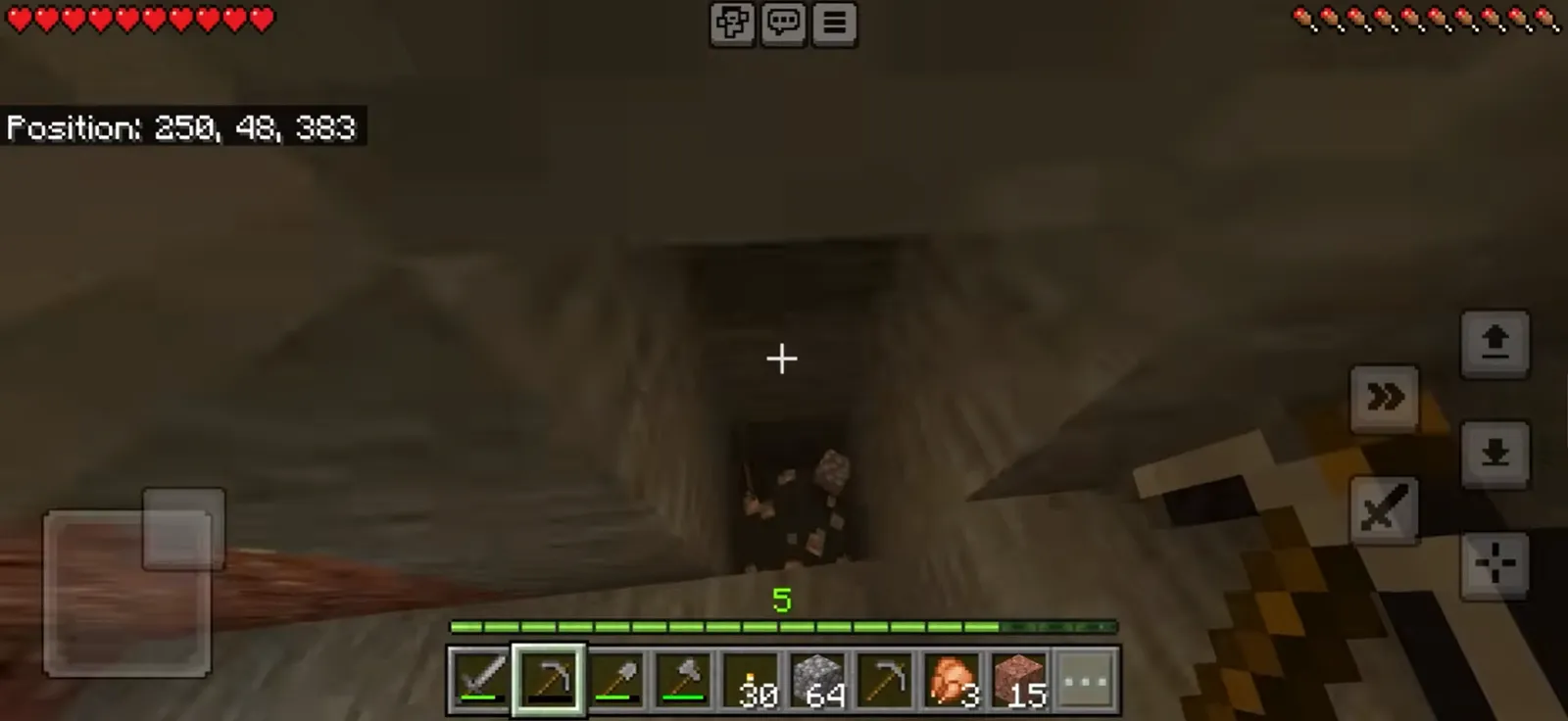
Minecraft needs no introduction. In single-player you generate a random world, spawn in, and do whatever you fancy — build boundless structures, or head out into the land and take on the monsters that roam it after dark.
Why it’s worth playing
The mobile port is Bedrock edition, the same version that runs on PC and console. It’s widely considered the best sandbox ever made, and the content and creative freedom in it can absorb thousands of hours across several years without going stale. World generation happens locally, so none of that needs a connection.
It also still gets frequent updates — three or four content drops a year, smaller than the old mega-patches but far more frequent. The third drop of 2026 is imminent and already confirmed to bring the Dappled Forest biome, Abandoned Camps, poplar trees, new decorative blocks including wool and concrete stairs and slabs, and functional items like cushions and straw beds.
Pros & cons
Pros
- Endless replayability and creative freedom
- Seamless offline world generation
- Cross-save potential once you reconnect
Cons
- Precise building is tedious on a touchscreen
- Well-explored worlds eat local storage
12. Slay the Spire (best for deckbuilding)
| Feature | Specification |
|---|---|
| Genre | Deckbuilding / roguelite |
| Pricing | Premium (paid), also on Apple Arcade |
| Availability | Android / iOS |
Brief overview
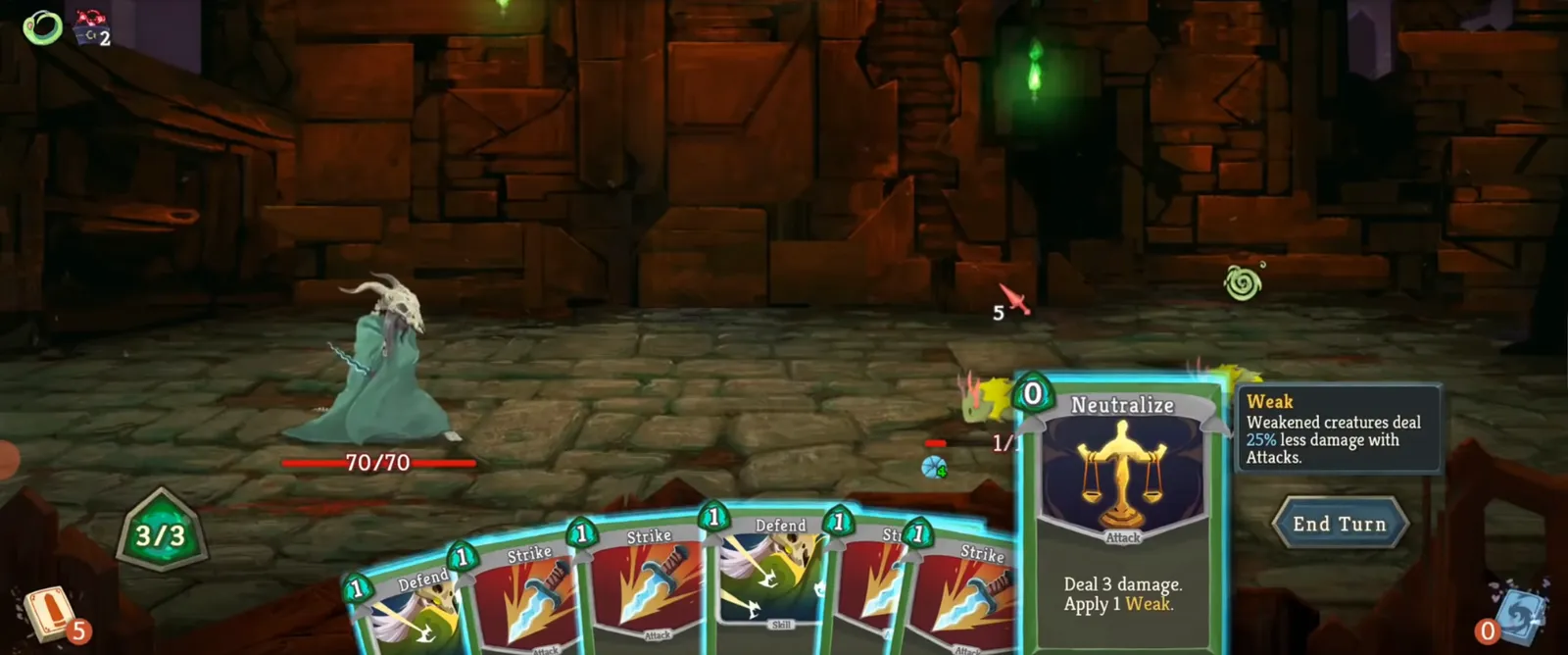
In Slay the Spire you climb a tower by drafting attack and skill cards and collecting relics on the way up. You pick one of four characters and fight turn-based battles against encounters the game shuffles differently every run.
Why it’s worth playing
The synergy between cards, skills and relics is where this game lives. Every run asks you to balance offense against defense and read what the deck in front of you actually wants to become, and it rewards understanding rather than reflexes — which makes it perfect for a phone.
Pros & cons
Pros
- Endless replayability via Ascension difficulty levels
- Discovering a working synergy is hugely rewarding
Cons
- Selecting specific cards by touch takes practice
- Difficulty ramps quickly in later stages
13. Bloons TD 6 (best for content volume)
| Feature | Specification |
|---|---|
| Genre | Tower defense |
| Pricing | Premium (paid), also on Apple Arcade, Google Play Pass and Netflix |
| Availability | Android / iOS |
Brief overview
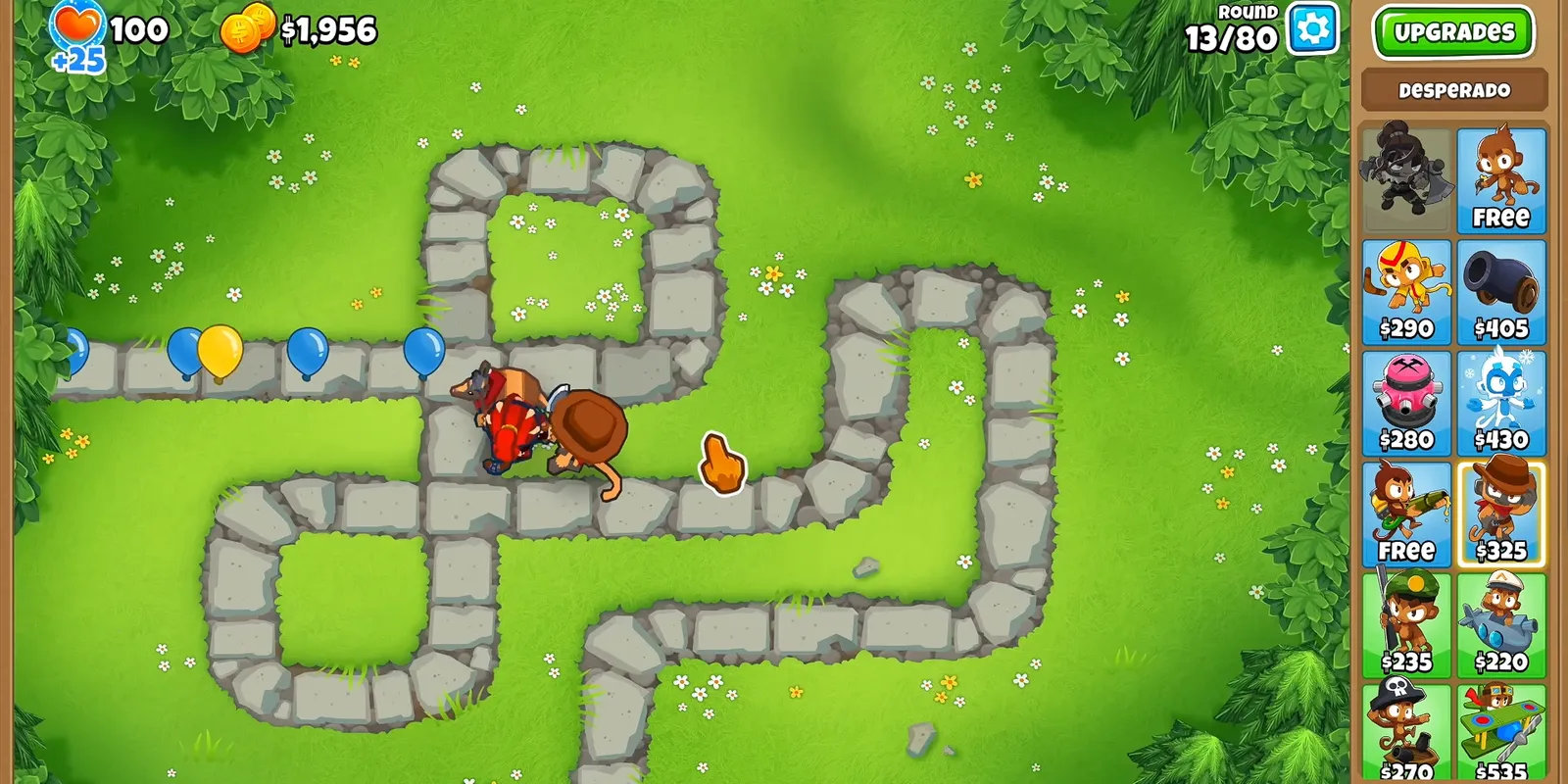
Bloons TD 6 is the latest entry in the classic tower defense series. You command military monkeys defending against invading balloons, placing tower types and calling on heroes and active abilities to handle whatever the round throws at you.
Why it’s worth playing
There are dozens of maps, game modes and skill trees to experiment with here — the sheer content volume is the selling point. The series also moved from 2D sprites to 3D models in this installment, which gives it a more immersive look, and the art style and character roster remain as likeable as ever.
Pros & cons
Pros
- Deep upgrade paths and strategic hero placement
- Bright, appealing 3D visuals
- Enormous amount of content and map variety
Cons
- Co-op and boss events need an active connection
14. LIMBO (best for atmosphere)

| Feature | Specification |
|---|---|
| Genre | Puzzle-platformer |
| Pricing | Premium (paid) |
| Availability | Android / iOS |
Brief overview
LIMBO is a monochrome puzzle-platformer in which you guide a young boy through a deadly environment of traps and arachnids, solving physics puzzles to reach the next stretch.
Why it’s worth playing
The haunting aesthetic does the storytelling — there’s no dialogue, no tutorial and almost no interface, so you’re left to work the world out for yourself. The puzzles reward careful observation and precise timing, and the whole thing pulls you in far deeper than its running time suggests. If that aesthetic appeals at all, it’s a must-play.
Pros & cons
Pros
- Unforgettable atmosphere and art direction
- Clever, rewarding physics puzzles
- Excellent battery optimization
Cons
- Trial-and-error deaths can frustrate
- Short, with low replay value
15. Soul Knight (best for quick free runs)
| Feature | Specification |
|---|---|
| Genre | Action / roguelite shooter |
| Pricing | Free, supported by in-app purchases |
| Availability | Android / iOS |
Brief overview
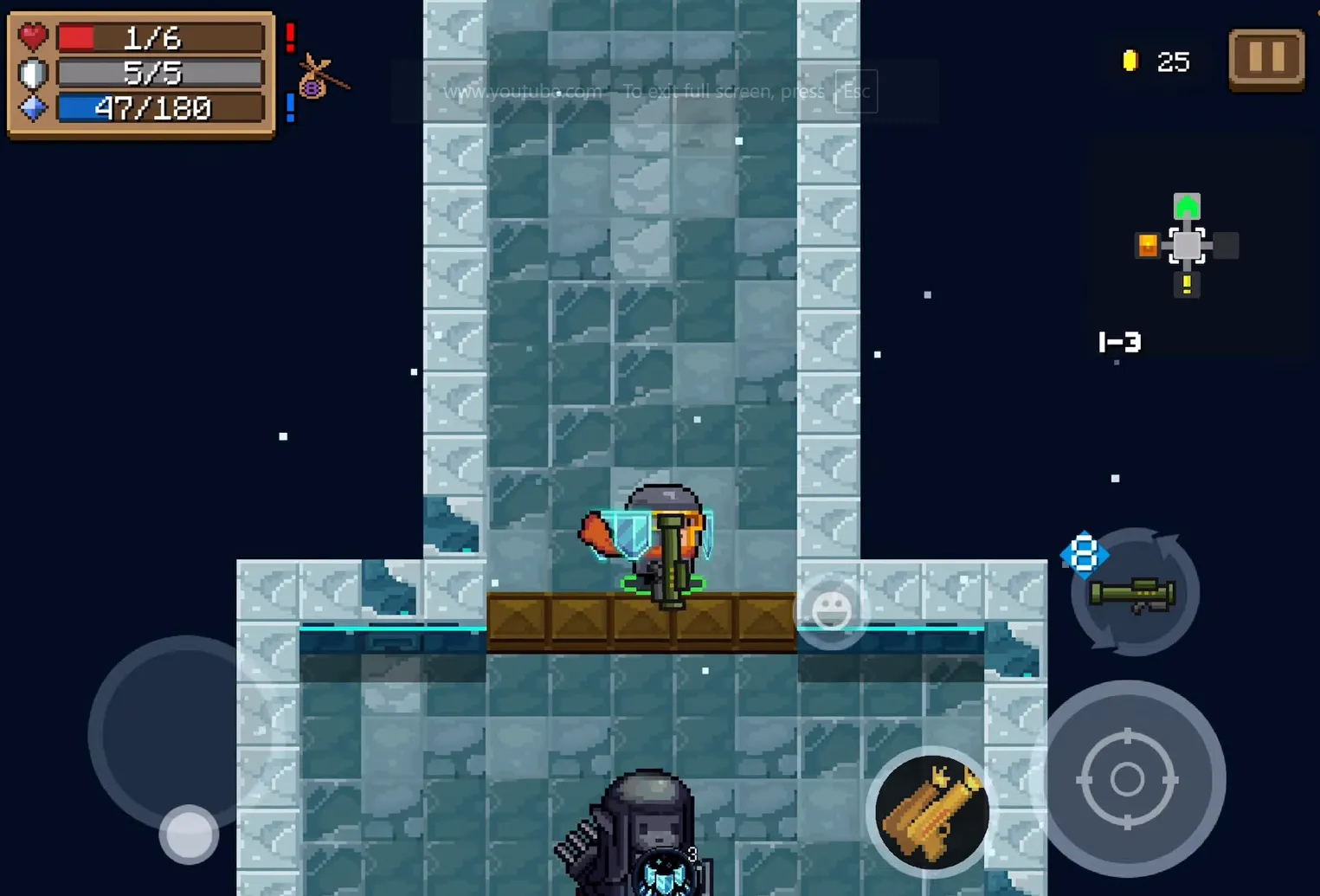
Soul Knight is a fast top-down roguelite shooter in a pixel-art style. You push into procedurally generated dungeons, dodge bullet-hell patterns, collect weapons on the way, and eventually take down a boss — then start again.
Why it’s worth playing
It moves quickly and throws a lot at you. Random modifiers and a huge weapon pool make each run feel different from the last, and the difficulty curve is forgiving enough for casual players while still getting genuinely hard in the later stages. Being free, it costs nothing to find out whether it clicks.
Pros & cons
Pros
- Fast, intuitive shooting mechanics
- Loads of unlockable characters and bizarre weapons
- Runs efficiently on older hardware
Cons
- Cloud saves have to be managed online, manually
- Multiplayer is disabled entirely offline
Best offline games by category
To help you land on a pick without deliberating, here’s the same list grouped by genre.
| Genre category | Featured games |
|---|---|
| Strategy & tower defense | Kingdom Rush 5, Bloons TD 6, Mini Metro, Plague Inc. |
| RPG & sandbox | Stardew Valley, Terraria, Minecraft |
| Action & roguelite | Dead Cells, Vampire Survivors, Soul Knight, Slay the Spire |
| Puzzle & atmospheric | Monument Valley 2, LIMBO, Alto’s Odyssey |
| Racing | GRID Autosport |
Which offline game should you play?
That’s our list of the best offline games for Android and the best offline games for iPhone. Which one you should actually play isn’t an objective call — it comes down to the genre you like, whether your device can deliver a smooth experience, and whether you’re after something casual or something hardcore. Take a moment on what you want out of the next few hours, then pick accordingly.
If you want to discover even more offline games, or the best of a particular genre like RPG, strategy or open world, make Skich your hub for finding new mobile games. You can also read our guide to mobile games like Minecraft if the sandbox entries above caught your eye.
Frequently asked questions
Do offline games consume less battery?
Generally yes. Offline games drain less battery than online ones because the phone isn’t constantly communicating with game servers.
Can I play Apple Arcade games offline?
Yes. Games you’ve downloaded through Apple Arcade play offline, but the phone needs to come online once every few weeks so the subscription can be verified.
Does my progress in offline games sync across devices?
Only if the game supports cloud saves. Without that feature, progress stays on the device it was made on.
Why do some offline games require an internet connection the first time you play them?
Google caps the maximum download size for games on the Play Store, so larger titles ship a smaller installer and pull the remaining resources down on first launch.
Can I play multiplayer in offline games without internet?
No. Unless a game supports multiplayer against bots, there’s no way to play with other real players without a connection.
How does thermal throttling affect offline games?
Offline games are generally less demanding, but some are still heavy enough to heat up a processor. When that happens the device throttles and your frame rate drops until it cools back down.
Do offline games receive updates?
Yes, for as long as the developers keep supporting them. In most cases you can also keep playing an older version of an offline game rather than being forced onto the newest one.
How do I preserve my progress in an offline game?
Use the game’s cloud save feature if it has one. If it doesn’t, back the local save files up to another device manually.
Uzair Abbas
A passionate gamer with 10+ years in the mobile and console gaming industry, Uzair learns games from the inside out and turns that knowledge into guides other players can actually use.







 Copied