Top 5 mobile games like Minecraft to play in 2026 (+ bonus desktop games)
Five mobile sandboxes that take one part of the Minecraft formula and push it further — plus five desktop picks for when the phone isn't enough.
 Karina Gulecka· Marketing Manager · August 11, 2026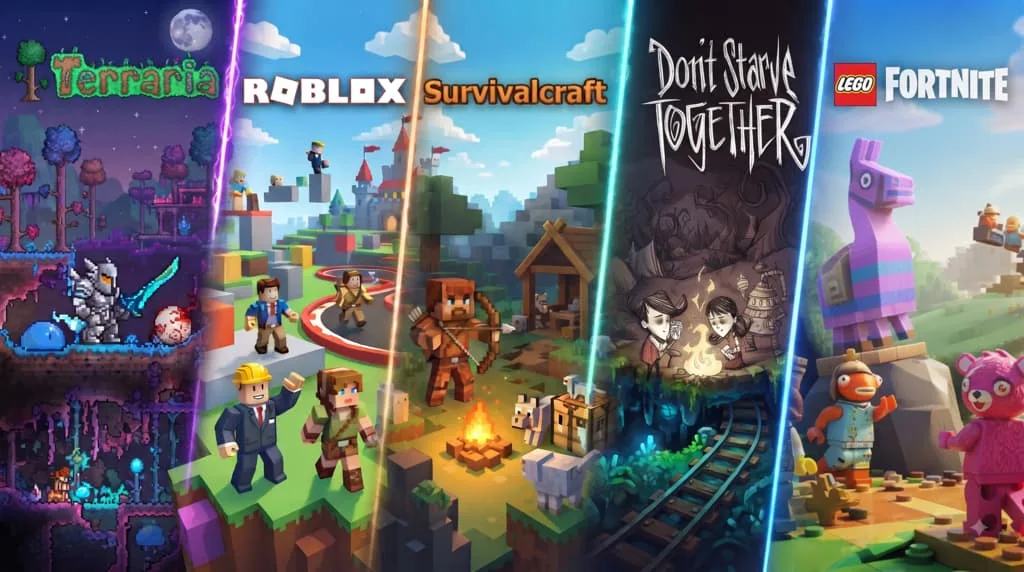
Minecraft has inspired a long list of games, but very few have managed to capture the same pull. Part of that comes down to freedom. Minecraft never really tells players what to do. Some spend hours building huge structures, others head underground in search of rare resources, and some just enjoy exploring with friends.
That open-ended style is what makes good alternatives tricky. Most games do not try to recreate everything Minecraft does. Instead, they lean into one part of the formula. Some focus on tougher survival, some on deeper progression, and others on creativity, exploration, or multiplayer.
The games in this list each approach the sandbox idea in a different way. None of them replaces Minecraft outright, but each one offers something familiar enough to appeal to fans and different enough to feel fresh.
5 of the best alternatives to Minecraft
Here are the top 5 best Minecraft alternatives to play in 2026:
| Game | Best for | Building | Survival | Multiplayer |
|---|---|---|---|---|
| Terraria | Progression & exploration | ⭐⭐⭐⭐ | ⭐⭐⭐⭐ | ✅ |
| Roblox | Multiplayer creativity | ⭐⭐⭐ | ⭐⭐ | ✅ |
| Survivalcraft | Realistic survival | ⭐⭐⭐⭐⭐ | ⭐⭐⭐⭐⭐ | Limited |
| LEGO Fortnite | Casual co-op | ⭐⭐⭐⭐ | ⭐⭐⭐ | ✅ |
| Don’t Starve Together | Survival challenge | ⭐⭐ | ⭐⭐⭐⭐⭐ | ✅ |
Why is Minecraft still so popular in 2026?
More than a decade after launch, here’s what’s keeping people logged in.
Freedom comes first
That freedom is probably the biggest reason why Minecraft has lasted this long. A new player might spend their first week just trying to survive the night. Someone else might load up a ten-year-old world and continue working on a project they started years ago.
The game does not care if you build a castle, explore caves, create complicated machines, or spend hours making something completely unnecessary. It rather keeps you hooked because of these exact reasons.
Every world feels different
The same thing happens with every world. A random village, a strange mountain, or a resource you discover underground can change what you decide to do next. The game keeps moving because players keep creating their own reasons to stay.
Why no game replaces Minecraft
Other games have taken parts of Minecraft’s formula. Terraria pushes harder into progression and combat. On the other hand, Valheim makes survival much tougher. Talking about Dragon Quest Builders 2, it adds more structure and story, whereas Core Keeper focuses on underground exploration.
They all have their strengths, but Minecraft remains different because it never really decides what the player should enjoy. It leaves that choice entirely in their hands.
1. Terraria (best for progression and exploration)
If deep progression is what you wish Minecraft had more of, get your hands on Terraria.
Brief overview
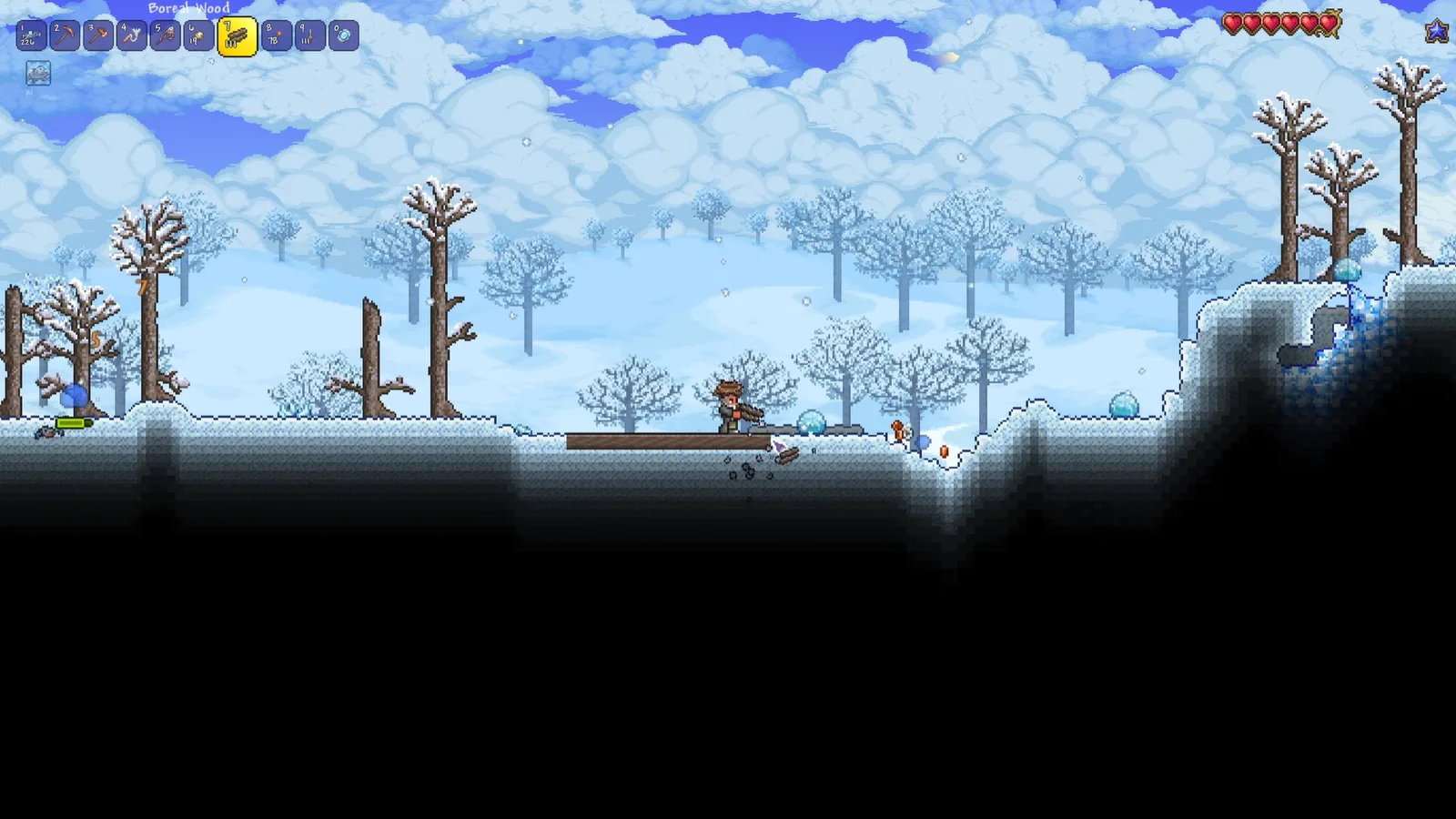
If caves are what keep pulling you back to Minecraft, and gear matters more to you than building, Terraria should be near the top of your list. It swaps 3D blocks for a 2D side-scroller. That being said, the loop stays familiar:
- gather materials
- build a base
- craft better gear
- push deeper into a world that keeps hiding things from you
Why it’s similar to Minecraft
Terraria brilliantly taps into the same curiosity that makes Minecraft work. Once you dig far enough, you’ll find rare ores, buried structures, and biomes you wouldn’t be expecting. Almost everything in Terraria is derived from crafting. Also, the multiplayer mode makes it easy to drag friends into the digging and the boss fights. It has that same clever habit of making an hour disappear before you notice.
Key differences
Where Minecraft mostly leaves the goals up to you, Terraria gives you a clearer path. The boss fights, new crafting tiers, and gear upgrades always give you something next to chase. Terraria’s 2D view is the biggest shift. The building aspect does lose some freedom, but the combat makes up for it. The exploration feels more focused, and it doesn’t require you to wander in order to stumble upon something new.
Pros & cons
Pros
- Progression that actually feels earned, boss fights included
- Exploration and crafting loop is hard to put down
- Holds up whether you’re playing solo or with friends
Cons
- The 2D format is a dealbreaker for some players
- Building doesn’t come close to Minecraft’s freedom
2. Roblox (best for multiplayer creativity)
If it’s the social side of Minecraft you’re chasing, the building-with-friends, the messing around on servers, Roblox is a no-brainer.
Brief overview
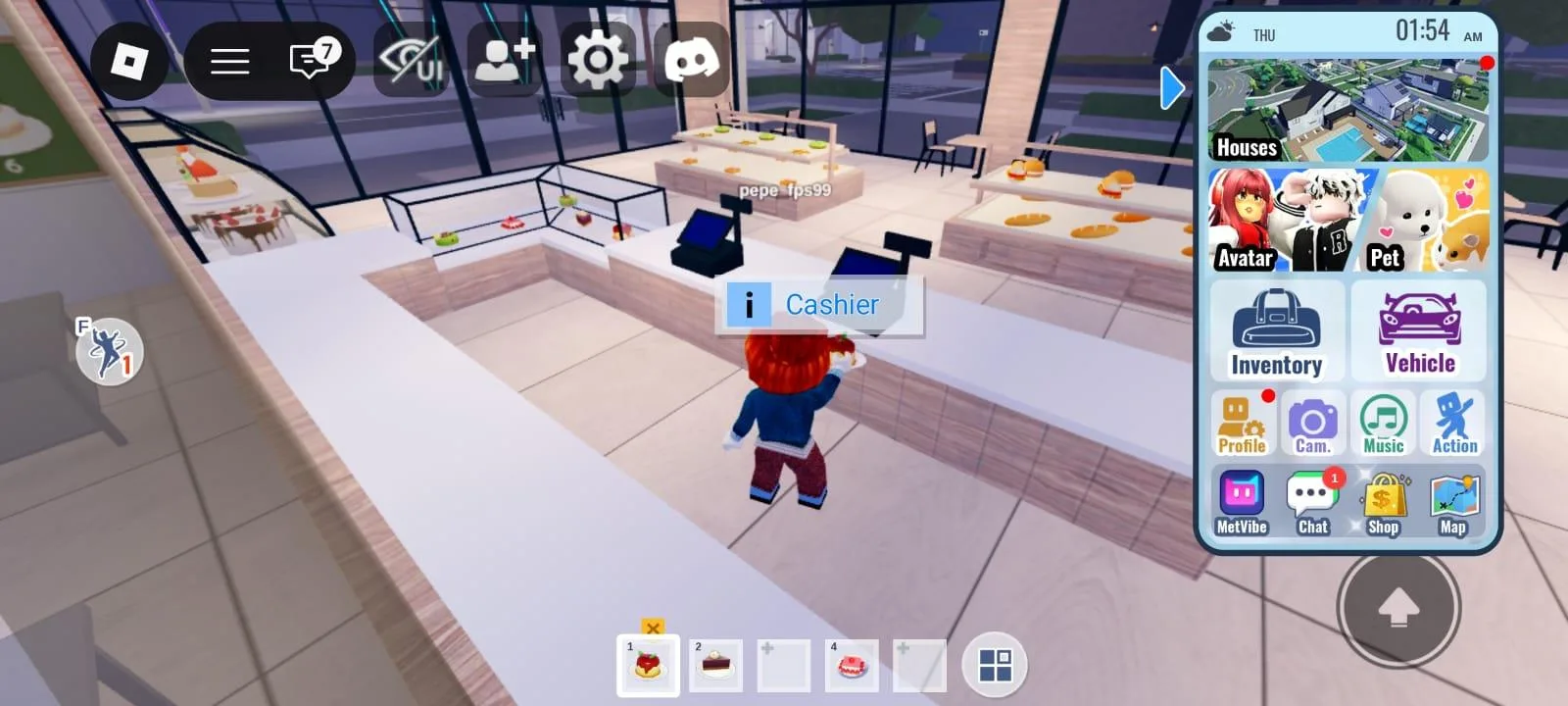
Calling Roblox a Minecraft clone wouldn’t be justice done right. In fact, Roblox was launched in 2006 and was called DynaBlocks (thank God the devs changed the name). It’s not meant to be one game; it’s a platform that holds millions of them: survival games, building sims, role-play worlds, obstacle courses, and more. The diversity it brings works so well for anyone who loved Minecraft mostly for the creative and social side of things.
Why it’s similar to Minecraft
Both games run on the same set of features: creativity, experimentation, and doing it all with other people. Minecraft players will hop between servers to look for something different. Roblox players do the same thing but more casually. The “servers” are entirely different games made by other users, and there’s always something new showing up. That’s probably why I never get bored playing Roblox for hours.
Key differences
Minecraft hands every player the same set of tools and lets them build from there. The difference? Each player’s creativity. Roblox instead hands you a library of games made public by the community. That’s the trade-off, really. Some of those experiences are genuinely polished. Others feel like someone abandoned them halfway through. Quality is a gamble depending on what you click into.
Pros & cons
Pros
- Massive variety, new community-made games constantly
- Multiplayer is where it really shines
- You could play for years and not run out of things to try
Cons
- Inconsistent quality across experiences
- Not every game leans into building the way Minecraft does
3. Survivalcraft (best for realistic survival)
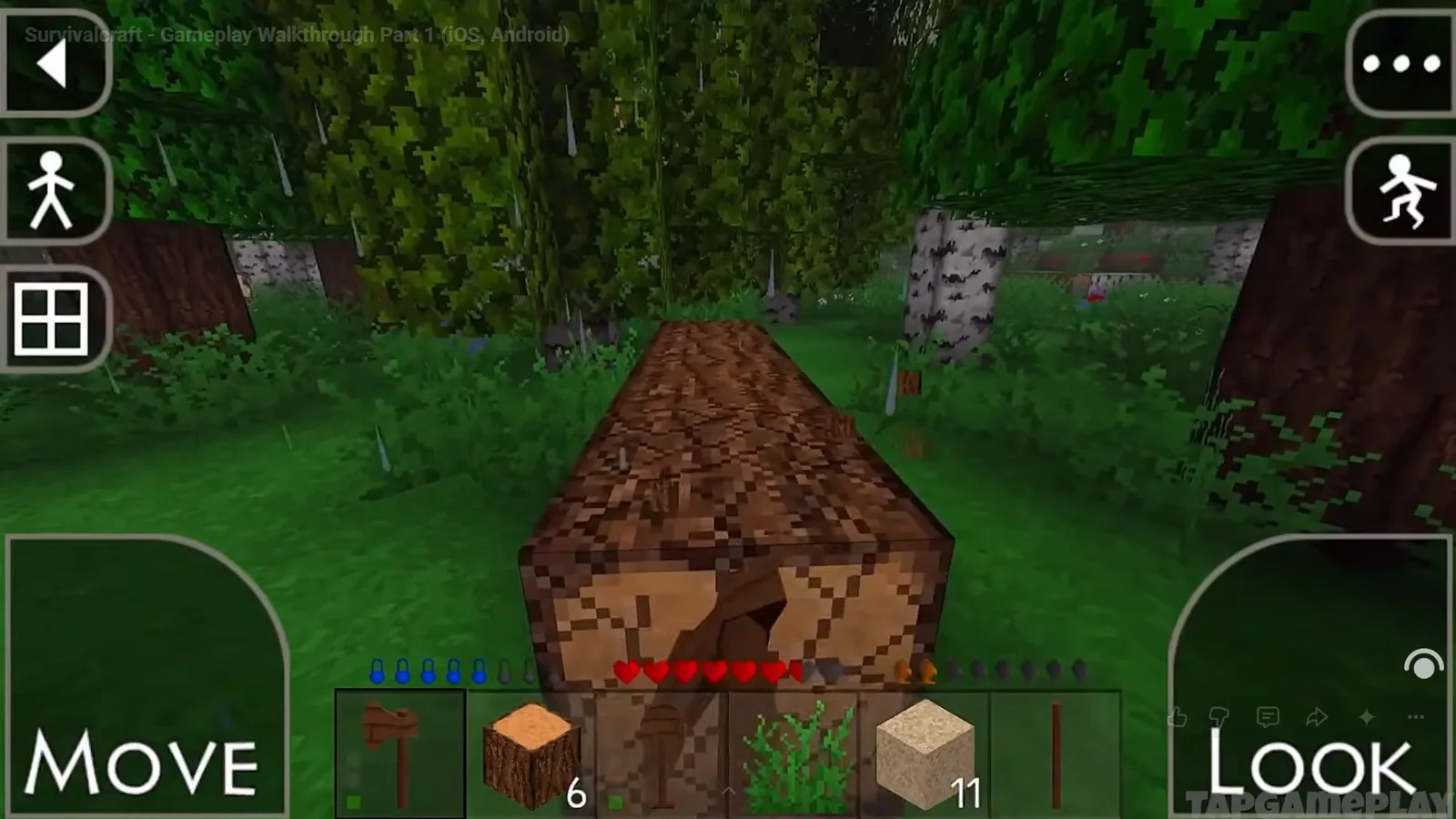
Survivalcraft builds on Minecraft’s sandbox formula by making every resource, decision, and mistake carry more weight.
Brief overview
The first time you play Survivalcraft, you might be expecting an experience similar to Minecraft. Play for 20 minutes, and you’ll spot the differences clearly. The familiar crafting and building are still there, but the game is far less forgiving. A wasted day, the wrong tool, or running out without enough supplies can put you in a difficult spot much sooner than you’d expect.
Why it’s similar to Minecraft
The game’s core loop is the reason Minecraft players find themselves at home with Survivalcraft without much trouble. You collect resources, make better equipment, and build somewhere safe before it gets dark. Doesn’t that sound familiar? In no time, you’ll be slowly pushed farther away from your starting point. Nobody tells you what your next objective should be. Exactly like you would in Minecraft, you decide what is worth building or exploring in Survivalcraft.
Key differences
Survivalcraft will require you to think ahead more often. In Minecraft, making a poor decision is usually not a big setback. But here, the same mistake can cost you valuable time or resources that are tricky to replace. It still scratches the same sandbox itch, but asks for a little more patience. If Minecraft feels relaxed most of the time, Survivalcraft requires more attention while you play.
Pros & cons
Pros
- More realistic survival mechanics
- Deep crafting and resource management
- Familiar sandbox gameplay
Cons
- Smaller player community
- Slower pace may not suit everyone
4. LEGO Fortnite (best for casual co-op)
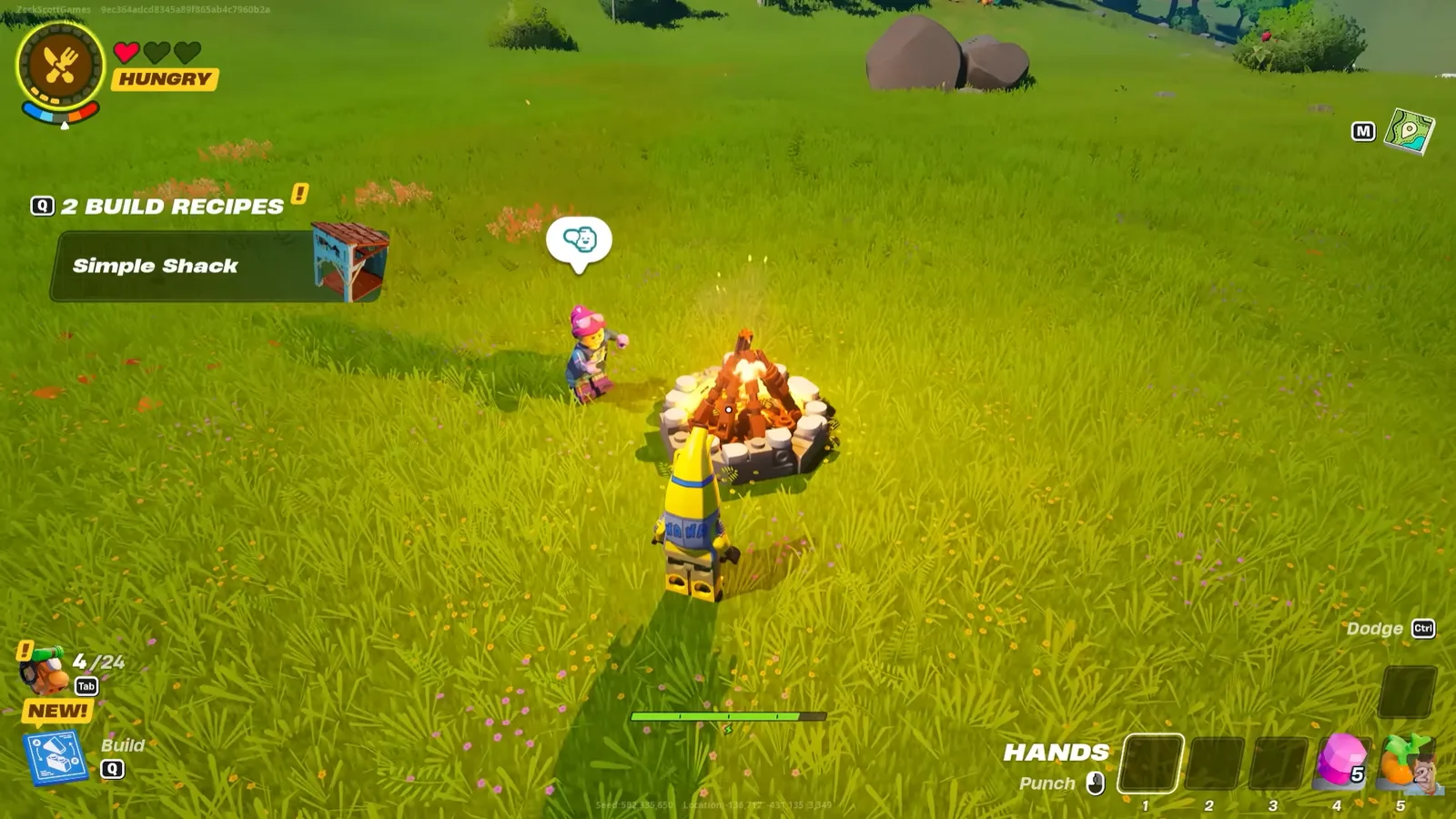
For those looking for a lighter survival experience that still captures Minecraft’s building and exploration, LEGO Fortnite is an excellent place to start.
Brief overview
LEGO Fortnite mixes survival, crafting, and building into something bright (literally) and welcoming. It is the kind of game you could hand to someone who’s never touched a survival title and have them figure it out within minutes. It won’t match Minecraft for sheer freedom. But there’s something satisfying about how quickly gathering resources and growing your village starts to feel like progress.
Why it’s similar to Minecraft
The overlap is right there in the basics. Collect materials, craft your way to better tools, throw up a shelter, then push into new biomes chasing whatever resources you’re missing. Bring friends along, and it gets better, especially once you’re all working toward the same village upgrade or bracing for something tougher up ahead.
Key differences
Minecraft drops you into a world and lets you figure things out on your own. LEGO Fortnite takes a more guided approach, giving you quests and village upgrades that always show you what to work toward next. Building is also more beginner-friendly, with pre-designed structures that let you create impressive bases without placing every block manually. The trade-off is that you lose some of the creative freedom that makes Minecraft’s building system so special.
Pros & cons
Pros
- Easy to learn for new players
- Fun co-op gameplay
- Rewarding building and exploration
Cons
- Less building freedom than Minecraft
- More guided progression
5. Don’t Starve Together (best survival challenge)
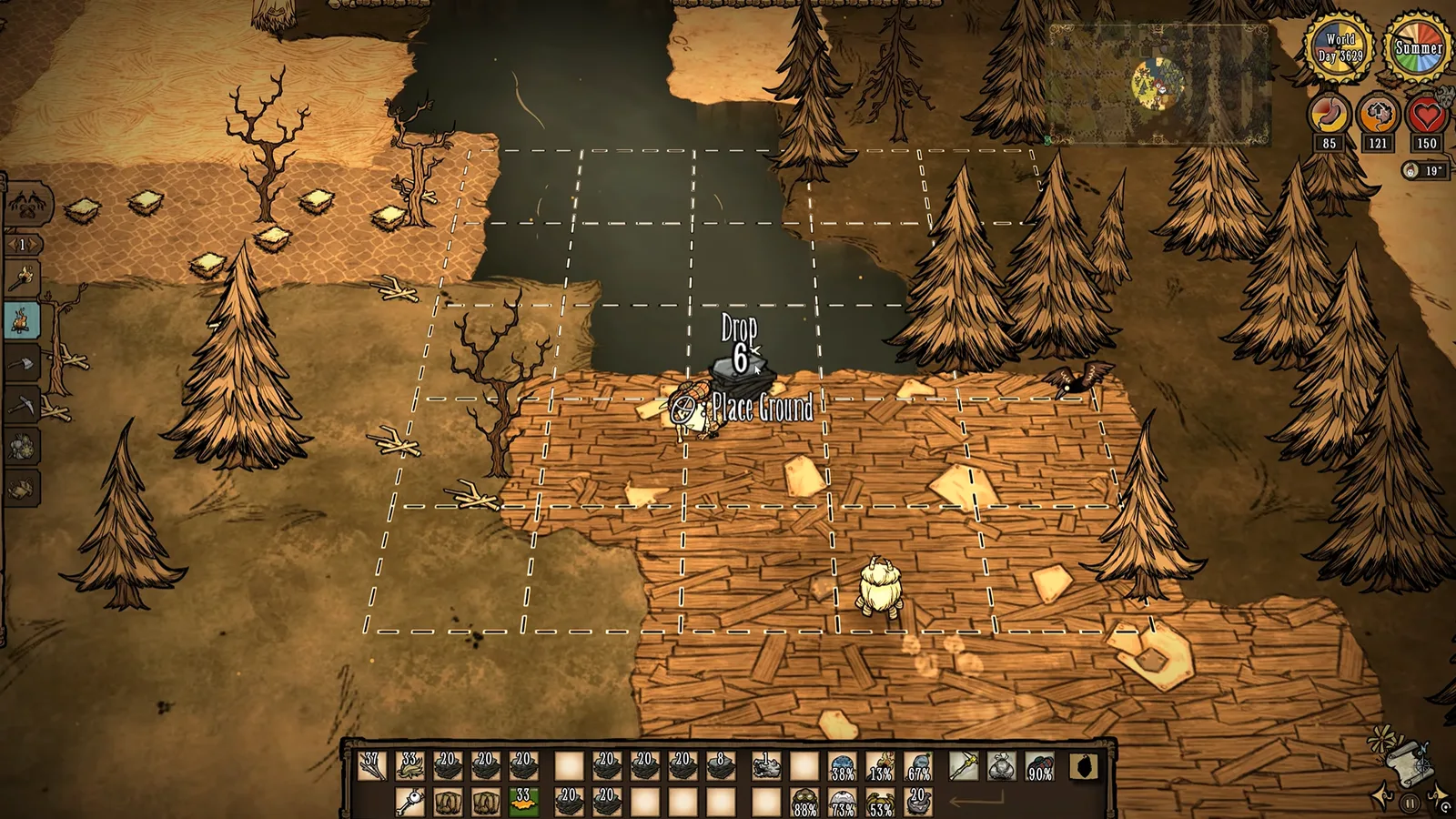
Minecraft gives you room to recover from mistakes. Don’t Starve Together rarely does. Every decision, from gathering food to exploring after dark, can determine whether you survive another day.
Brief overview
Don’t Starve Together strips survival down to its essentials and then turns up the pressure. You’ll be spending your days scavenging for food, collecting materials, and crafting the tools you need to stay alive. This happens all while racing against hunger, darkness, and unpredictable creatures. It’s unforgiving, but that’s exactly what keeps each playthrough exciting.
Why it’s similar to Minecraft
The familiar routine of gathering resources, crafting equipment, and building a safe base will feel instantly recognizable. Exploration is equally important, as every new area offers valuable materials alongside fresh dangers. Learning through experimentation is also part of the experience, making each successful run feel earned rather than handed to you.
Key differences
Minecraft gives players the freedom to relax between adventures. Don’t Starve Together rarely lets you lower your guard. Survival takes priority over creativity, and there are no lengthy mining sessions or elaborate construction projects to distract you from staying alive.
Pros & cons
Pros
- Tense and rewarding survival gameplay
- Strong crafting and resource management
- High replay value
Cons
- Little emphasis on creative building
- Can be punishing for new players
Which Minecraft alternative is right for you?
If you’ve made it this far, you’ve probably narrowed it down to a few favorites. Use this quick guide to find the game that matches the way you enjoy Minecraft.
| If you want… | Try… |
|---|---|
| The closest overall Minecraft experience | Terraria |
| A colorful building experience | LEGO Fortnite |
| Unlimited creativity and multiplayer | Roblox |
| A brutal survival challenge | Don’t Starve Together |
| A classic block-building experience | Survivalcraft |
There’s no wrong choice. The best Minecraft alternative is the one that expands on the part of Minecraft you already enjoy the most.
Although not included in our list, there are a handful of other games that somewhat mimic Minecraft in one way or the other. You can check these out as well:
If you’re still looking for more popular Minecraft alternatives in 2026, check out the best games like Minecraft on Skich right away!
Frequently asked questions
What is the best substitute for Minecraft?
There’s no single answer here. It really depends what you’re chasing: Terraria for deeper 2D progression, Valheim if you want survival that actually punishes you, or Roblox if variety and multiplayer matter most.
Is Minecraft still worth playing in 2026?
Pretty much, yes. It’s still the best-selling game ever made, and it pulls in over 200 million active players every single month, with new content still rolling out regularly.
Do kids with ADHD like Minecraft?
Usually, and often more than most kids. Many kids with ADHD gravitate toward it, since the mix of creativity, freedom, and constant reward tends to click especially well with an ADHD brain. That said, this edges into child development territory, so for anything specific to your own kid, a pediatrician or child psychologist will give you better guidance than any article can.
What game is replacing Minecraft?
Right now, most people point to Hytale, a block-building RPG built by the Hypixel team, which entered early access back in January 2026 and is widely seen as the closest thing to a real successor.
What is the best fake version of Minecraft?
Survivalcraft (and its sequel) usually gets that title. It leans harder into deep survival mechanics, working electricity, and trapping systems that a lot of players say rival Minecraft’s own mobile version. Terraria is worth a look too if you want something more open-source or a 2D twist instead.
🎁 Bonus desktop games
1. Core Keeper (best for mining and exploration)
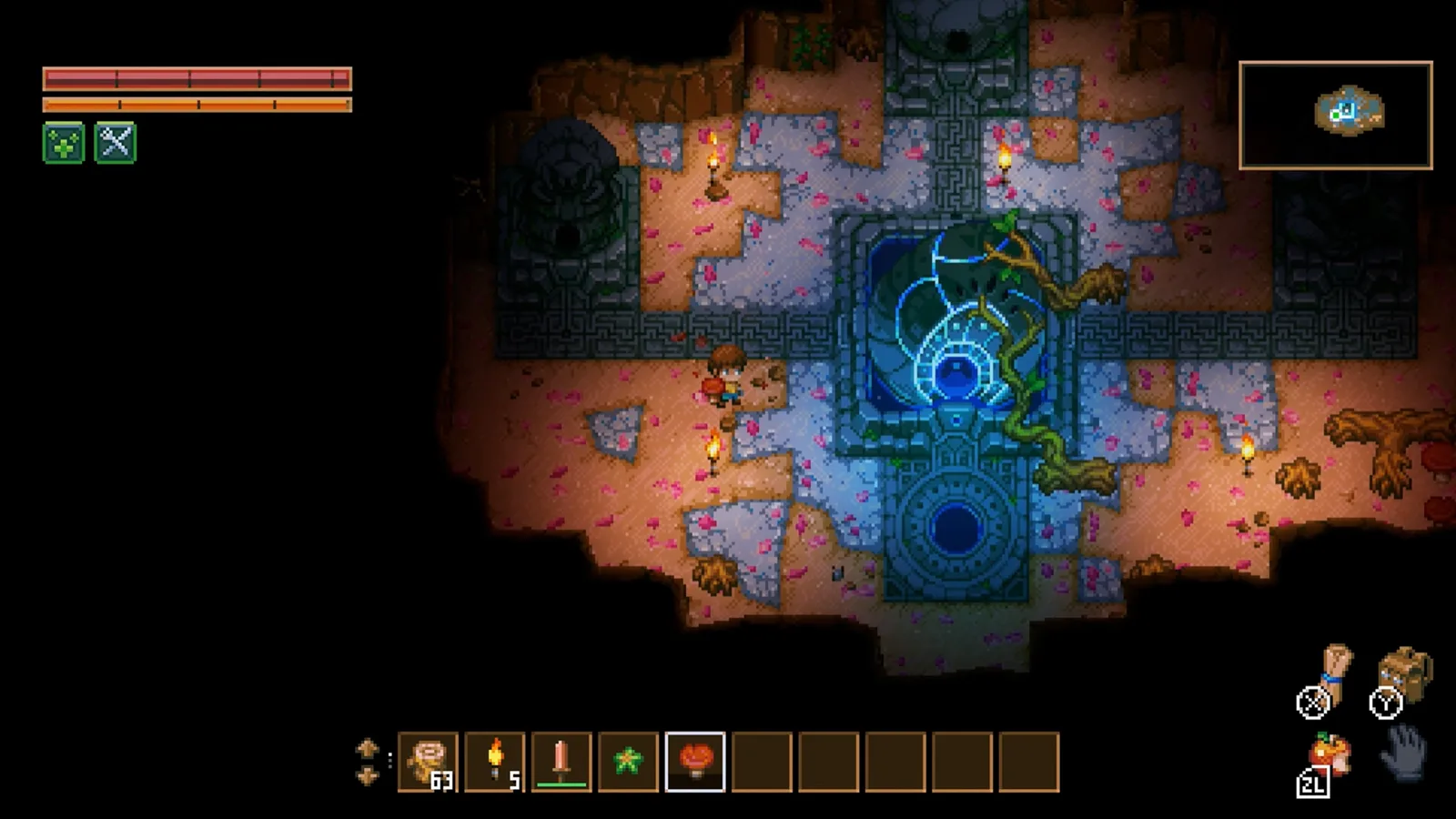
If mining and discovering hidden secrets are your favorite parts of Minecraft, Core Keeper delivers that experience from start to finish.
Brief overview
Core Keeper takes one of Minecraft’s most addictive activities, mining, and builds an entire adventure around it. Instead of exploring towering mountains and forests, you’ll spend most of your time beneath the surface, uncovering hidden biomes, rare resources, and powerful bosses.
Why it’s similar to Minecraft
Pull up the core loop, and it’s almost identical. Mine something, craft with it, upgrade your base, go mine again, except a little further out this time. Every trip down produces something worth bringing back, which is the exact hook that makes Minecraft sessions run long without you noticing. Drop in a friend or two for co-op and the whole thing gets even harder to walk away from.
Key differences
Minecraft spreads you out in every direction, up, down, across an entire overworld. Core Keeper picks one direction and commits to it. What you get in return is a tighter sense of progression. Bosses and gear tiers give you actual checkpoints to aim for, instead of Minecraft’s more open “figure out your own goals” approach.
Pros & cons
Pros
- Addictive mining and exploration
- Strong progression system
- Fun co-op gameplay
Cons
- Limited above-ground exploration
- Less freedom than Minecraft’s sandbox
2. Valheim (best for hardcore survival)
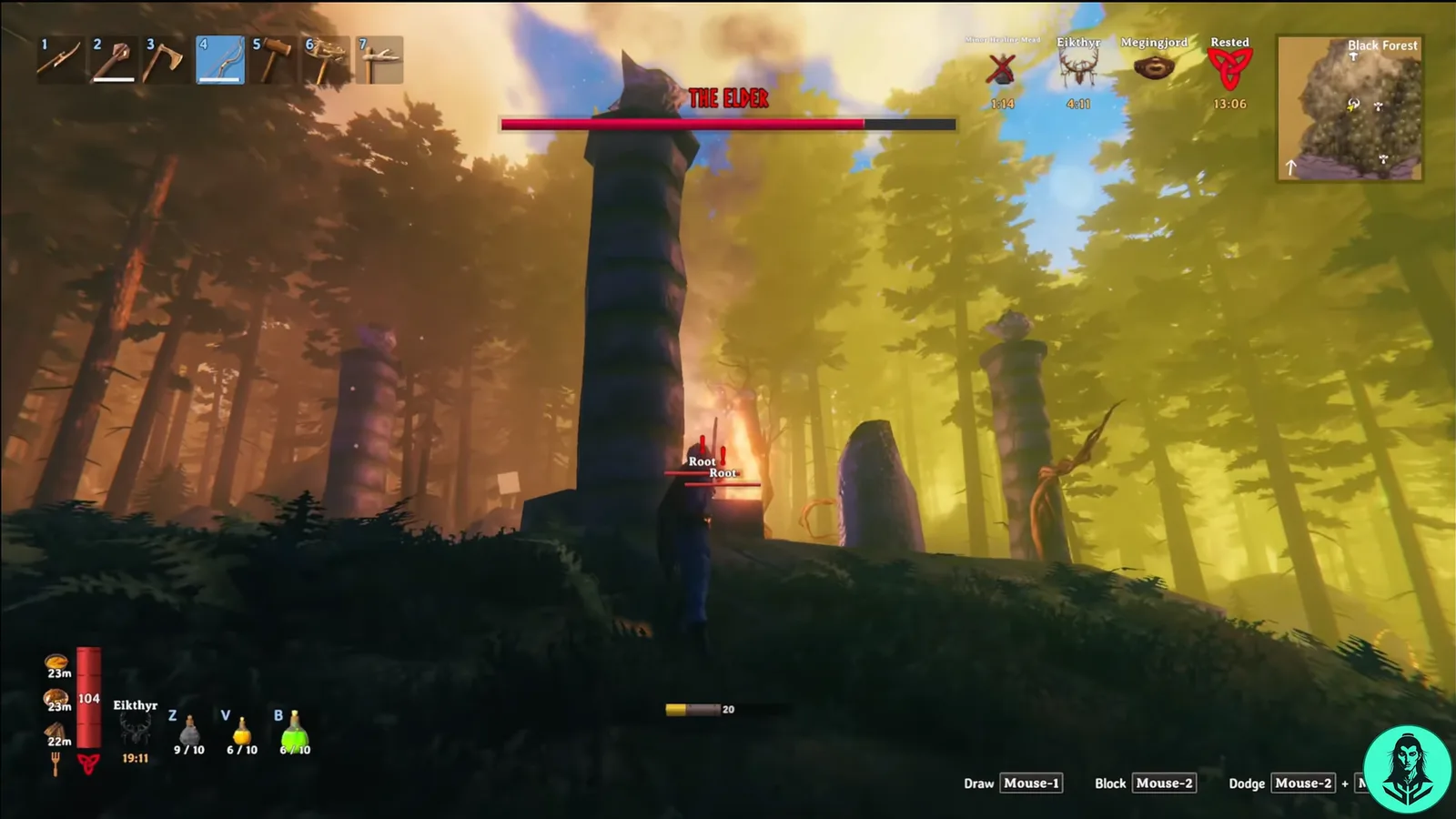
Valheim is a great choice if you enjoy Minecraft’s survival mechanics but want every expedition to feel more dangerous and rewarding.
Brief overview
Valheim drops you into a harsh Viking-inspired world where survival comes first. Every journey into the wilderness requires planning, and building a secure base is just as important as crafting stronger weapons. The world feels mysterious and encourages you to explore even when you know danger is waiting.
Why it’s similar to Minecraft
Like Minecraft, you’ll gather resources, construct bases, craft equipment, and gradually expand into new regions. Exploration constantly rewards curiosity, while multiplayer makes building settlements and taking on powerful enemies much more enjoyable with friends.
Key differences
Where Minecraft leaves room for pure creativity, Valheim keeps its foot on the survival pedal. Food matters. Stamina matters. Weather can genuinely ruin a run. Enemies hit hard enough that beating one feels like an actual accomplishment, not a formality. Building is still there and still satisfying, but it exists to keep you alive, not to hand you unlimited creative freedom the way Minecraft does.
Pros & cons
Pros
- Excellent survival mechanics
- Atmospheric open world
- Fantastic co-op experience
Cons
- More challenging than Minecraft
- Less emphasis on creative building
3. Dragon Quest Builders 2 (best for story lovers)
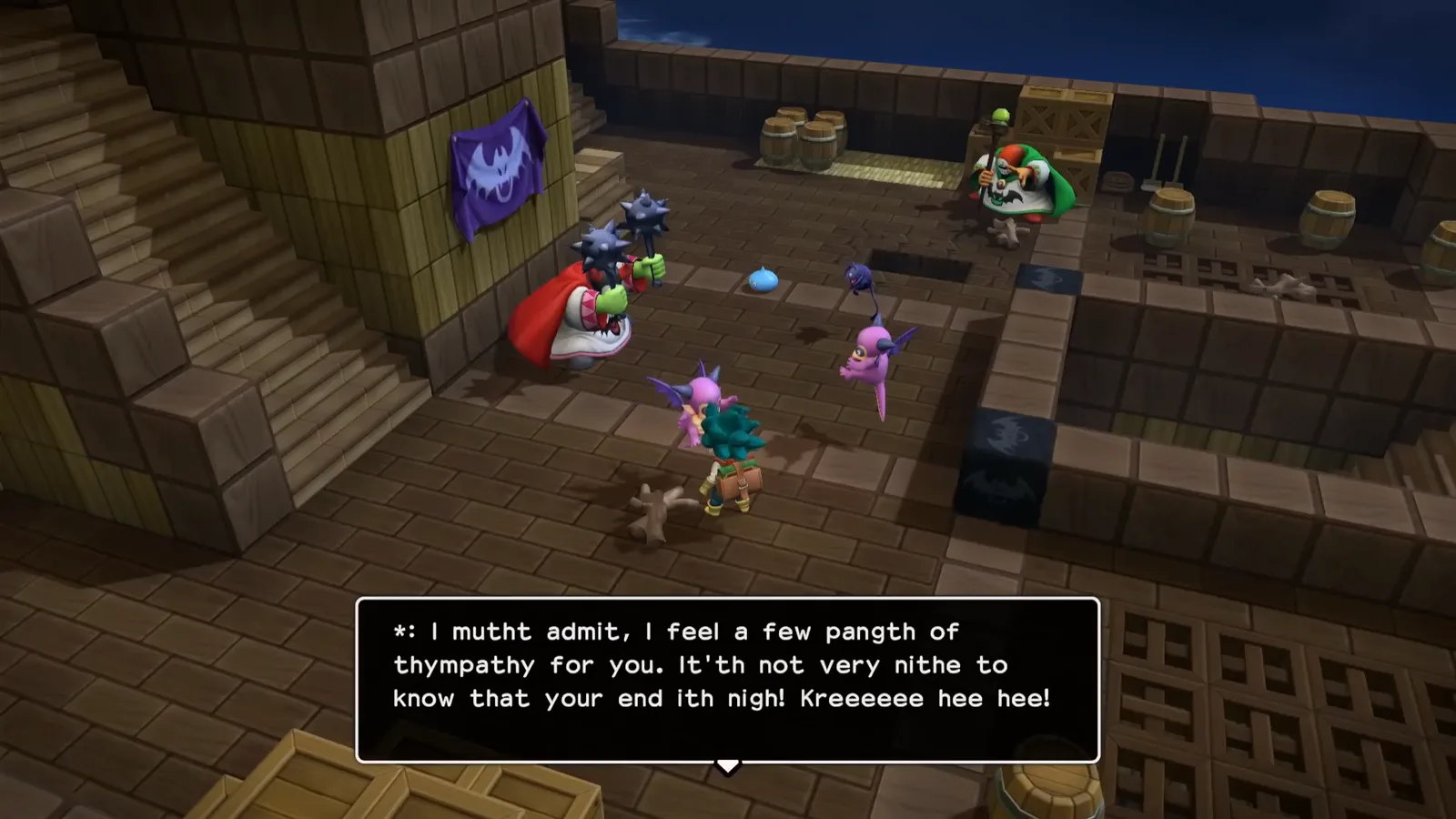
If you’ve ever wanted Minecraft’s creative building with clear objectives and memorable characters, Dragon Quest Builders 2 delivers both.
Brief overview
Dragon Quest Builders 2 combines sandbox building with a full RPG adventure. Instead of simply building for yourself, you’ll rebuild towns, help villagers, and unlock new recipes as the story unfolds. It offers plenty of creative freedom while giving every project a purpose.
Why it’s similar to Minecraft
Resource gathering, crafting, farming, exploration, and building all play a major role. You’ll still spend hours collecting materials and designing structures, but every improvement helps the communities you encounter throughout your journey.
Key differences
Unlike Minecraft’s open-ended approach, Dragon Quest Builders 2 follows a story with defined objectives and progression. Villagers actively use the buildings you create, making your work feel more connected to the world around you rather than serving as personal projects alone.
Pros & cons
Pros
- Strong mix of building and storytelling
- Meaningful progression
- NPCs bring your creations to life
Cons
- More linear than Minecraft
- Story limits complete freedom
4. Vintage Story (best for hardcore sandbox survival)
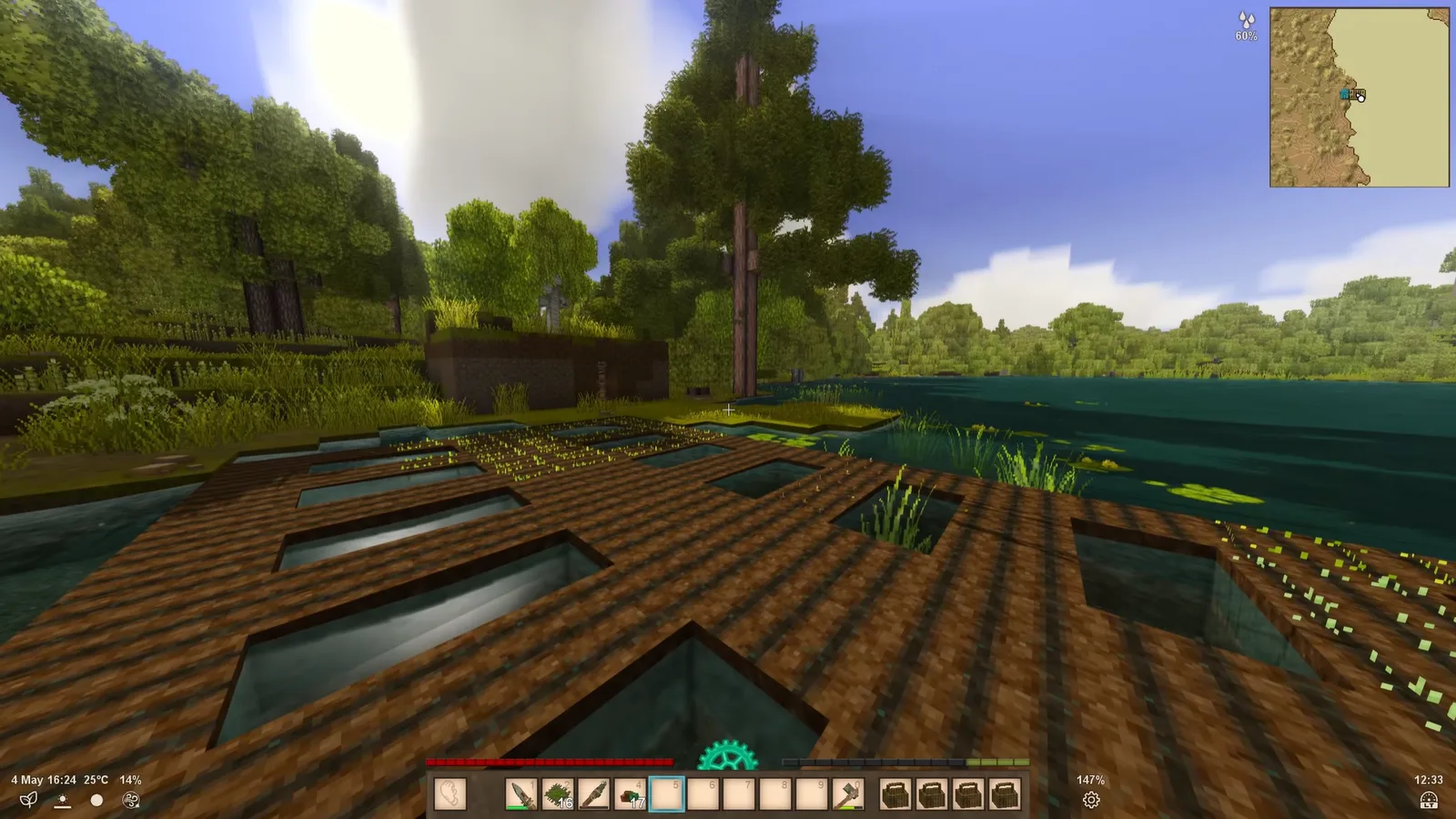
Vintage Story takes Minecraft’s survival mechanics and builds a much deeper simulation around them, rewarding patience and careful planning.
Brief overview
At first glance, Vintage Story looks familiar, but it quickly becomes clear that this isn’t a casual sandbox. From preserving food for winter to crafting advanced tools through detailed production chains, almost every system is designed to make survival feel realistic and rewarding.
Why it’s similar to Minecraft
Mining, crafting, farming, exploration, and base building remain at the heart of the experience. Like Minecraft, you’re free to shape your world however you like, but every achievement requires considerably more effort and preparation.
Key differences
Vintage Story leans heavily into realism. Seasons affect food supplies, crafting takes more planning, and technology develops gradually over time. It’s a slower experience that rewards long-term thinking rather than quick progression.
Pros & cons
Pros
- Deep survival systems
- Rewarding long-term progression
- Excellent crafting depth
Cons
- Steep learning curve
- Slower pace than Minecraft
5. PixARK (best for dinosaur adventures)
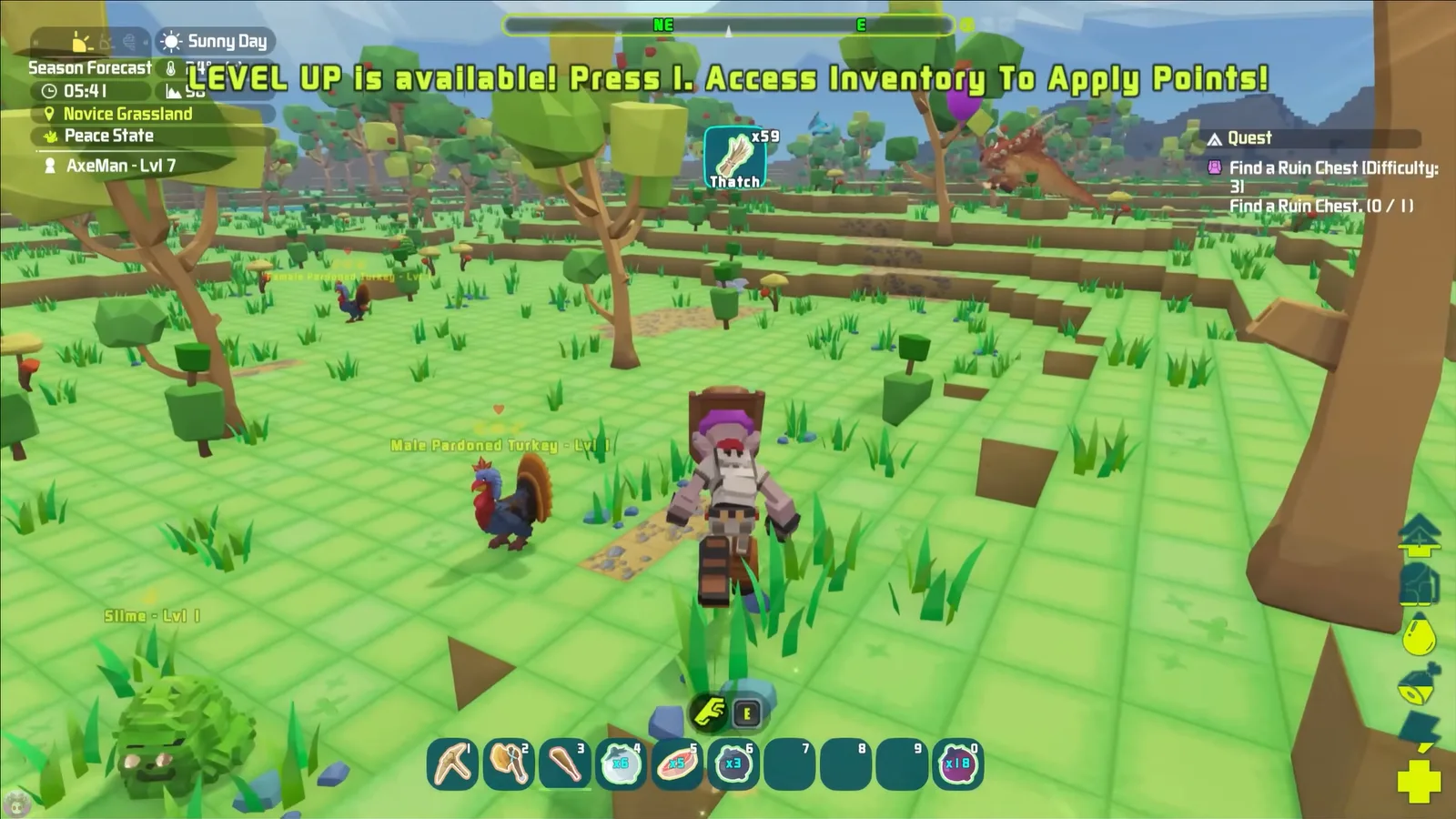
Few games combine block-building with dinosaur taming, and that’s exactly what makes PixARK stand out from the crowd.
Brief overview
Imagine Minecraft’s sandbox mixed with the creature-filled world of ARK: Survival Evolved. PixARK lets you harvest resources, build bases, and explore colorful voxel landscapes, but the real attraction is discovering, taming, and riding dozens of prehistoric creatures along the way.
Why it’s similar to Minecraft
At its core, the gameplay revolves around familiar sandbox mechanics. You’ll gather materials, craft increasingly useful equipment, construct shelters, and gradually expand your reach across a procedurally generated world. That steady progression feels immediately familiar to Minecraft players.
Key differences
Dinosaurs change everything. Instead of relying solely on tools and armor, you’ll build a collection of creatures that help you travel, gather resources, and defend your base. The survival systems are also more demanding, placing greater emphasis on exploration and preparation.
Pros & cons
Pros
- Unique dinosaur taming system
- Fun blend of survival and building
- Large worlds to explore
Cons
- Less polished than some alternatives
- Survival mechanics can feel demanding
Karina Gulecka
Karina is a Marketing Manager at Skich, an app built to help people discover and try new mobile games. She plays for fun rather than competition — the kind of gamer who'll happily replay an old favourite for the tenth time.






 Copied